Continuously identify and remediate AI misconfigurations, permissions, exposures, and infrastructure risk. Keep changing MLOps environments hardened and governable.
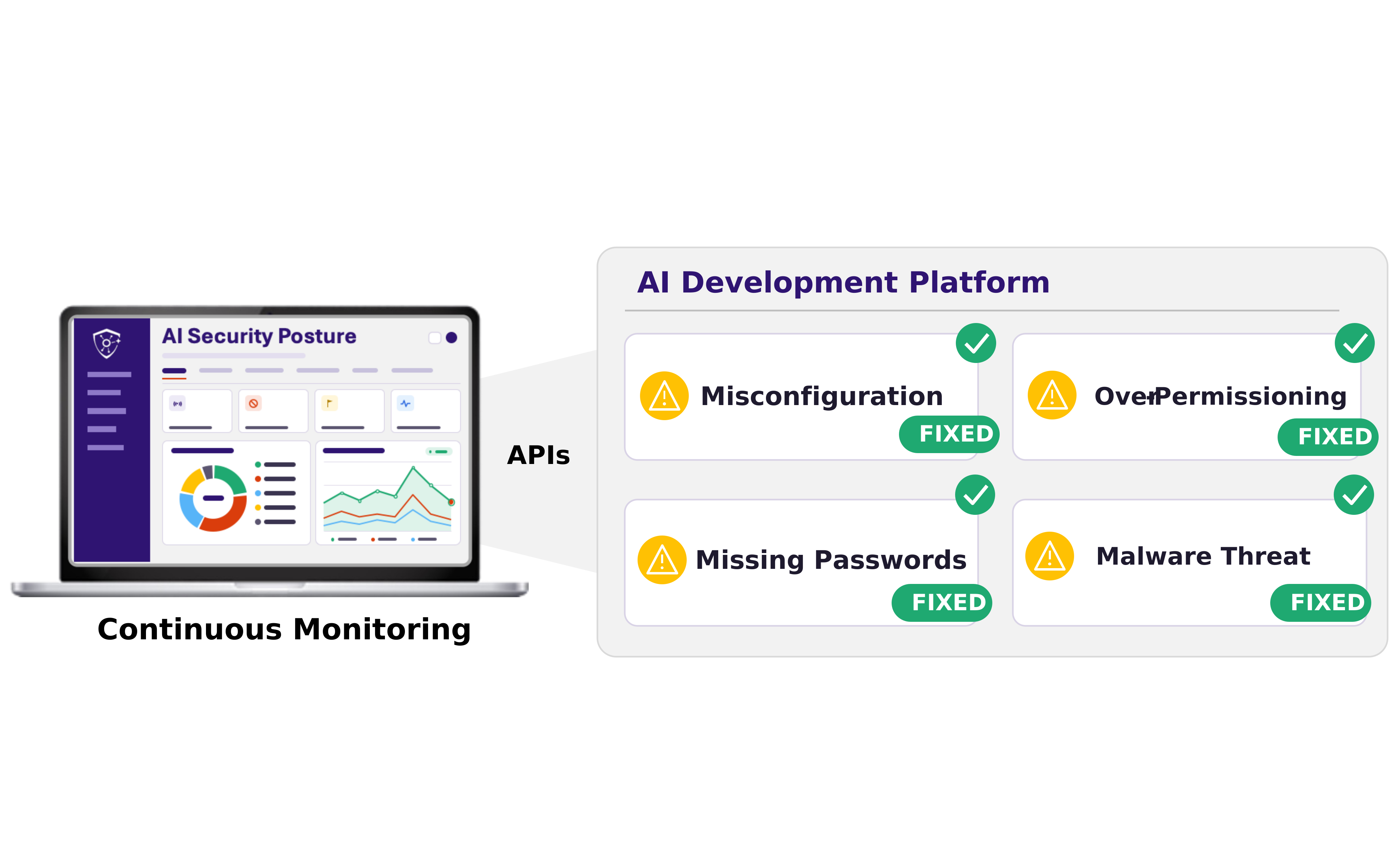
AI development platforms introduce configuration, identity, data, and supply-chain risks that traditional cloud posture tools may not fully understand. PointGuard AI provides AI-specific posture management across MLOps and AI infrastructure so teams can find and remediate weaknesses before they become attack paths.
The AI environment creates several recurring security and governance challenges:
PointGuard AI provides a comprehensive solution for continuously assessing AI platforms, permissions, and supporting infrastructure:
1. Connect AI development platforms. Use AI Security Posture Management and AI Discovery & Inventory to integrate AI and MLOps environments so posture can be evaluated across cloud-native AI services and development workflows.
2. Detect AI-specific misconfigurations. Identify configuration errors, exposures, unsafe access policies, unauthorized changes, and other AI infrastructure risks.
3. Prioritize remediation. Use AI-specific security context to focus teams on the weaknesses most likely to create material exposure.
4. Automate corrective workflows. Route findings into remediation and notification workflows so security issues can be tracked and resolved efficiently.
Continuous AI posture management reduces configuration drift and helps keep rapidly changing AI development environments secure and governable.
Applicable framework risks and controls include: