AI Discovery & Inventory
Start your AI governance with visibility into AI projects, models, agents, and MCP servers to ensure governance and compliance


Start your AI governance with visibility into AI projects, models, agents, and MCP servers to ensure governance and compliance
AI adoption now spans cloud platforms, developer repositories, runtime workflows, and employee devices. Models, coding agents, MCP servers, and external AI services can appear before formal approval. Organizations need continuous visibility into these assets, their dependencies, and their access to enterprise resources to assess risk and govern AI confidently.
PointGuard AI Discovery & Inventory:
Discovers AI across code, cloud, and runtime
Exposes Shadow AI and unapproved agents
Maps AI assets to business applications
Connects risk intelligence with approval workflows
Cloud integrations, repository scanning, and OpenTelemetry-based runtime discovery build a dynamic inventory of enterprise AI. Integration with Agentic Endpoint Security extends visibility to local models, coding agents, tools, and skills. Application mapping, supply chain intelligence, and automated workflows turn discovered assets into actionable governance context.
Build the visibility needed to assess AI risk, approve usage, and connect discovery with protection throughout the enterprise.
cloud discovery
Connect directly to Databricks, AWS, Azure, Google, and Copilot Studio to identify models, datasets, notebooks, clusters, jobs, and endpoints. Continuous discovery across development and production environments keeps teams informed as AI resources change. Runtime telemetry reveals active AI usage, complementing platform inventories with evidence from operational workflows.
Integrates with cloud and MLOps platforms
Catalogs models, datasets, notebooks, and infrastructure
Reveals active AI through runtime telemetry


code discovery
Scan GitHub and similar code repositories to identify AI components before applications reach production. Detect model, agent, chatbot, and MCP references, calls to external AI services, and hard-coded secrets used by AI components. Early visibility helps teams review dependencies and address exposed credentials before deployment.
Detects AI components in source code
Identifies external AI services and APIs
Flags hard-coded secrets in AI components
endpoint discovery
Extend discovery through Agentic Endpoint Security to identify local models, desktop assistants, coding agents, IDE extensions, plugins, AI containers, and scheduled jobs. Deep endpoint inspection surfaces Shadow Agents and their skills, tools, permissions, and enterprise connections. Endpoint Client and agentless Intune options support discovery across managed devices.
Discovers local models and coding agents
Identifies Shadow Agents and scheduled jobs
Maps agent skills, permissions, and connections


inventory and context
Maintain a dynamic inventory that updates as AI environments grow and change. Map models, agents, datasets, MCP servers, and supporting resources to the applications they serve. Aggregate component findings into application-level risk posture, giving teams the business context needed to prioritize reviews and understand potential impact.
Maintains a continuously updated AI inventory
Maps discovered resources to business applications
Aggregates component findings into application risk
supply chain risk
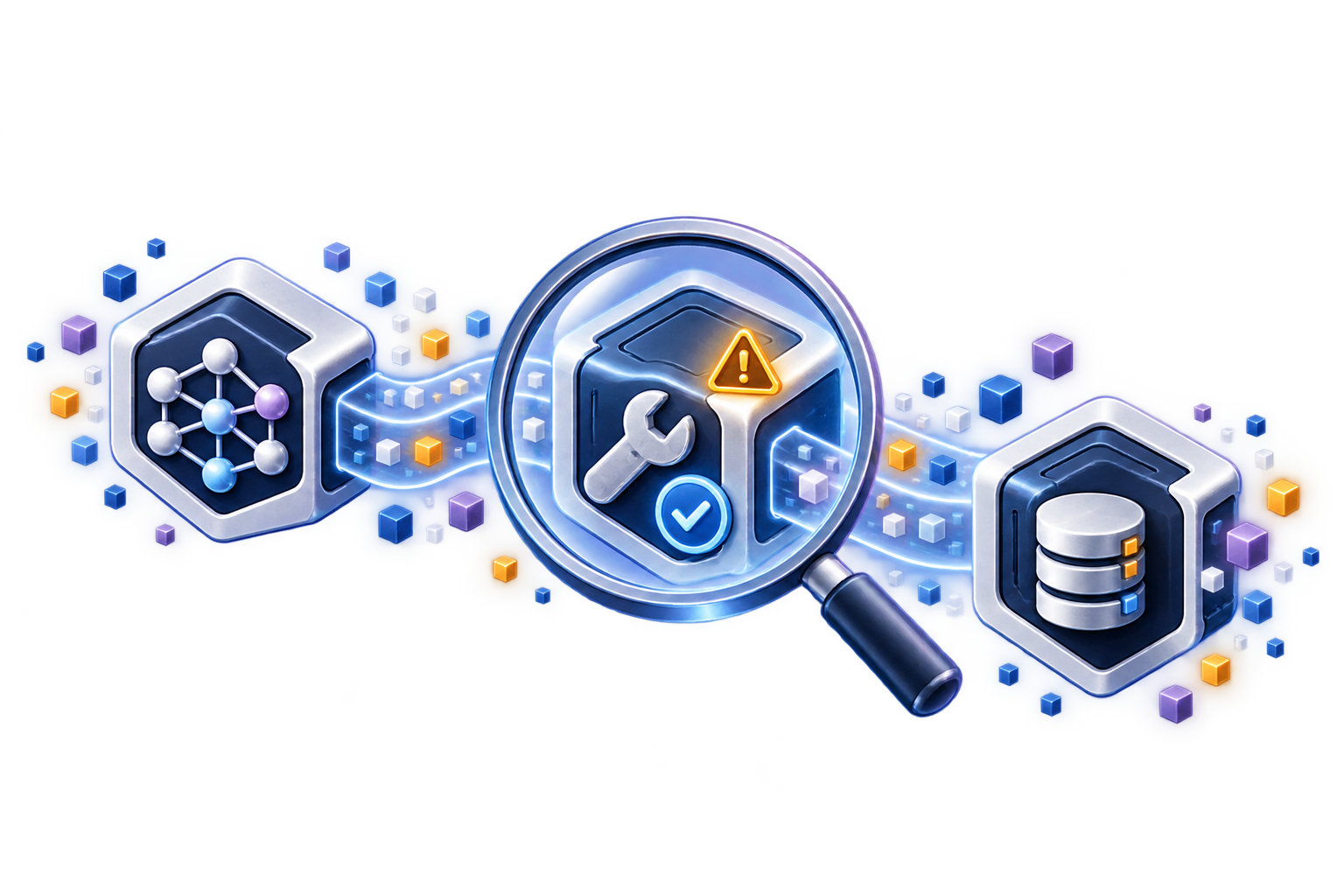
Track sources, licensing, lineage, and dependencies across interconnected AI assets. Model risk intelligence covers security, compliance, operational, and adoption risks. The Trusted MCP Directory evaluates server security, publisher trust, licensing, maintenance, and community adoption, helping teams assess components before integrating them into agents and enterprise workflows.
Tracks AI lineage, licensing, and dependencies
Enriches model inventories with risk intelligence
Evaluates MCP security, operations, and adoption
governance
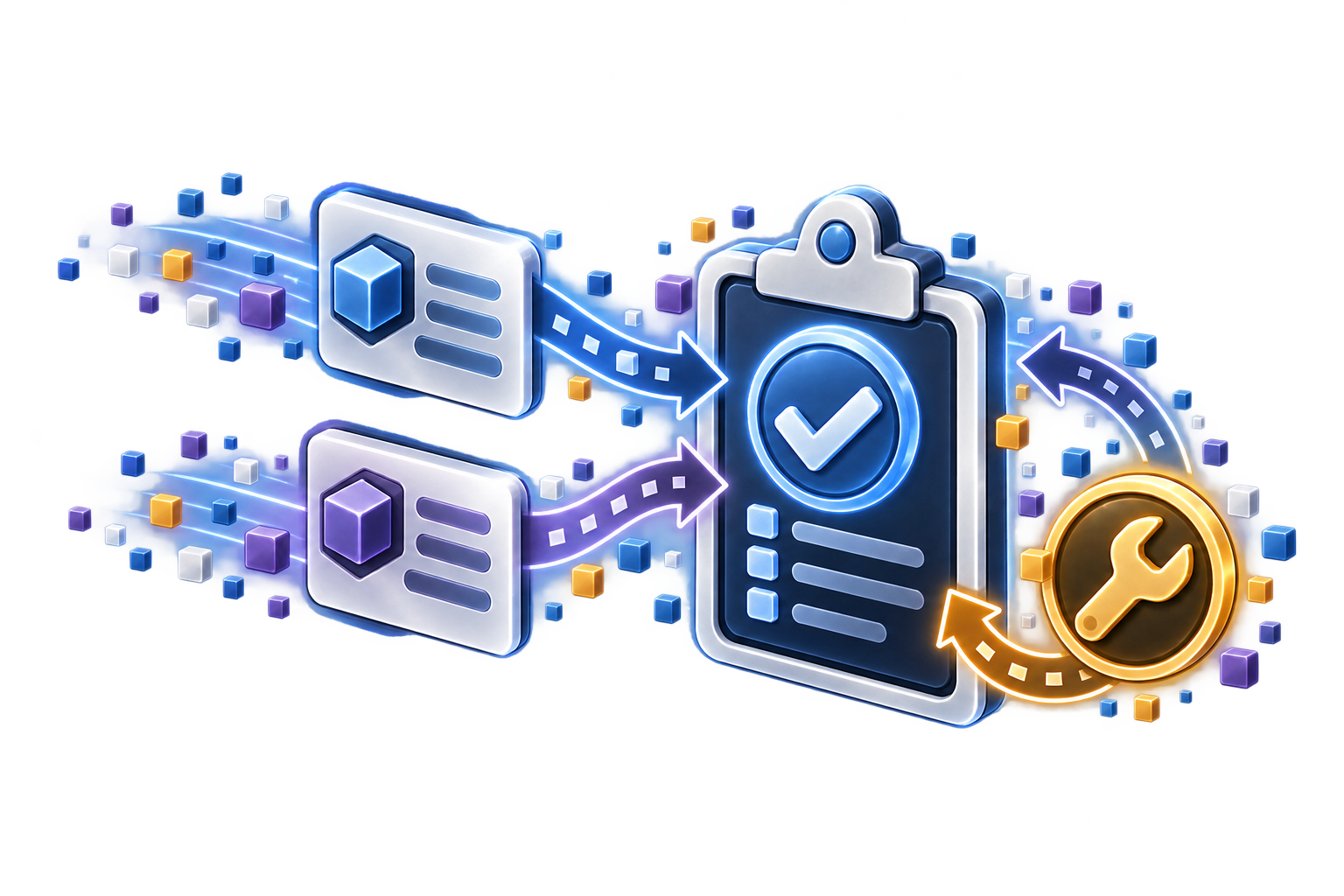
Trigger alerts and approval workflows as new AI assets are discovered. Give reviewers application context, provenance, and risk ratings to support approvals and exceptions. Jira, Slack, and ticketing integrations connect findings with remediation, while centralized dashboards and audit reporting track risks, approval metrics, and progress across teams.
Alerts teams to newly discovered assets
Automates approvals, exceptions, and remediation workflows
Centralizes risk dashboards and audit reporting
PointGuard AI connects discovery across code, cloud, runtime, and employee endpoints with application context and AI supply chain intelligence. Teams can understand what an asset is, where it operates, what it connects to, and which business applications it supports. Shared inventories and risk context replace fragmented findings with a foundation for consistent governance.
As part of the unified PointGuard AI platform, discovery informs posture management, testing, approvals, and remediation. Integration with Agentic Endpoint Security, AI Gateway, MCP Security Gateway, and Agent Mission Control connects visibility with complementary runtime controls. Shared asset context, identity, policy, and telemetry support investigation and protection across the AI lifecycle.
Clients Words
AppSOC brings it all together in one intuitive dashboard – helping me prioritize vulnerabilities and ensure compliance.
Customer Spotlight
Learn More
Related Products
Our expert team can assess your needs, show you a live demo, and recommend a solution that will save you time and money.