AI Runtime Guardrails
Protect sensitive data and prevent malicious attacks by monitoring AI prompts and responses

Protect sensitive data and prevent malicious attacks by monitoring AI prompts and responses
Production AI applications and agents exchange sensitive data, follow instructions, and generate outputs that affect users and business systems. Generic filters cannot account for every application, environment, or risk. Organizations need runtime protection that combines threat detection, data security, and business context while keeping legitimate AI workflows moving.
PointGuard AI Intelligent AI Guardrails:
Inspects prompts, responses, and agent interactions
Detects prompt injection and jailbreak attempts
Protects sensitive data with contextual policies
Adapts enforcement to application and business risk
A flexible policy framework defines what to inspect, detection confidence, enforcement conditions, and response actions. Built-in and custom data protection work alongside ML-based threat analysis across chatbots, applications, and agent workflows. API inspection and LLM gateway integration connect runtime controls with application context and operational workflows.
Apply protection where AI interactions occur, with clear policy decisions, flexible responses, and evidence to support investigation and governance.
business context
Apply guardrails according to application criticality, internet exposure, business unit, environment, data sensitivity, and compliance scope. Policies define inspection targets, confidence thresholds, enforcement conditions, and actions. Teams can tailor protection to production workloads and internal tools without embedding complex security logic into every application or treating every interaction alike.
Applies business context to enforcement decisions
Configures inspection targets and confidence thresholds
Tailors policies by application and environment

threat detection
Evaluate prompts and responses with ML-based analysis to identify prompt injection, jailbreak attempts, toxic content, malformed inputs, manipulation, and security misuse. Apply runtime inspection across conversational interfaces, AI applications, and agent workflows, helping teams identify dangerous interactions and enforce policies before flagged content proceeds through the protected flow.
Detects prompt injection and jailbreak attempts
Flags toxic content and manipulation patterns
Identifies security misuse in AI outputs
data protection
Inspect AI inputs and outputs for PII, PHI, financial information, and other sensitive data using built-in detection types. Define custom patterns, classifications, and composite expressions for organization-specific requirements. Map data controls to relevant regulations and apply policies that help prevent disclosure through prompts, responses, and agent interactions.
Detects sensitive data in AI traffic
Supports custom patterns and composite expressions
Maps data controls to regulatory requirements

enforcement
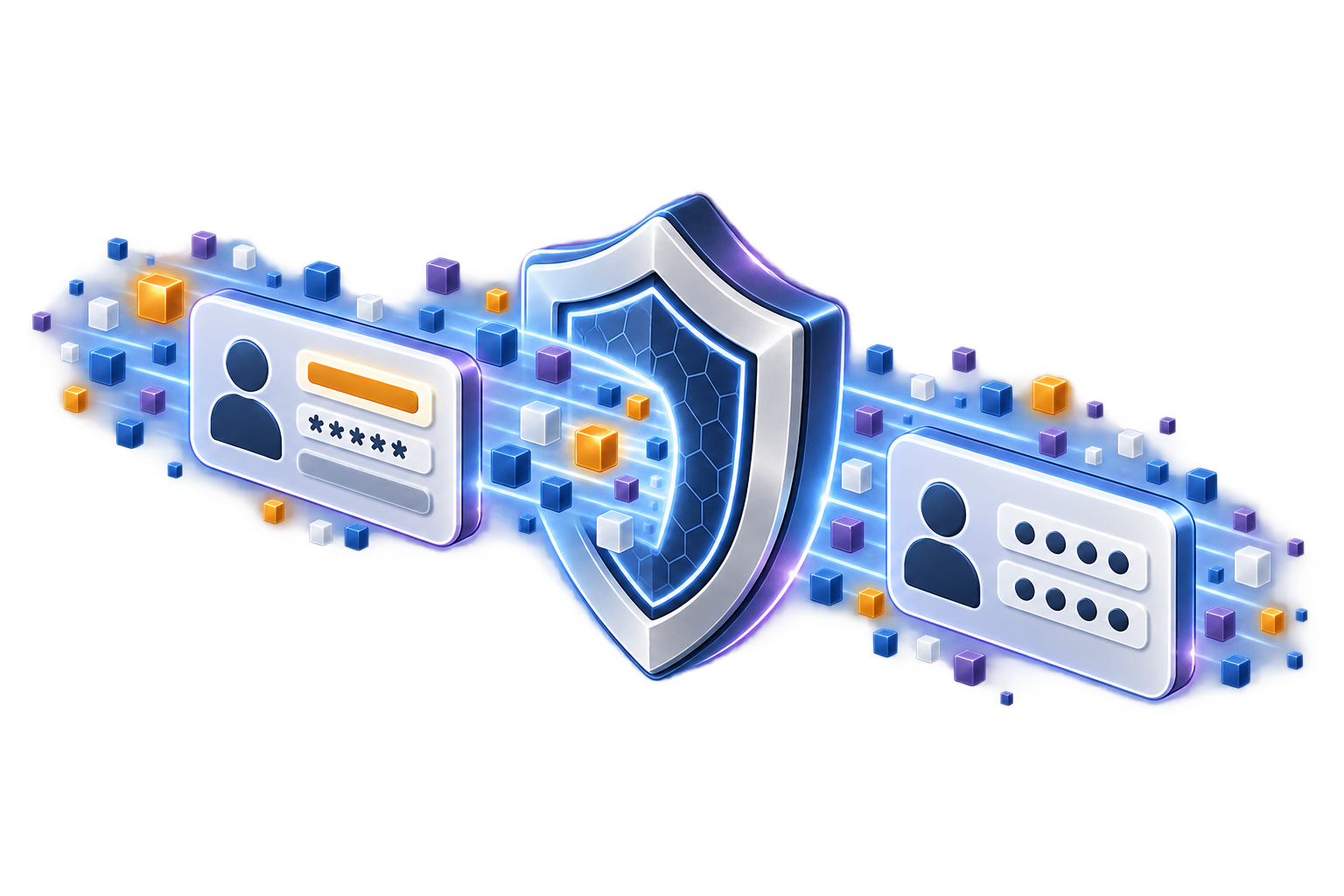
Choose enforcement actions that reflect the violation, application context, and business risk. Block prohibited prompts or responses, redact sensitive content, mask individual data elements, or log and alert for review. Flexible responses let teams apply appropriate protection while preserving legitimate interactions when less disruptive handling meets policy requirements.
Blocks prohibited AI prompts and responses
Masks or redacts sensitive data elements
Logs violations and alerts responsible teams
deployment
Add prompt and response inspection through a simple API call, or integrate guardrails through an LLM gateway without changing application code. Support chatbots, AI applications, and agent workflows through deployment choices aligned with existing architectures. Centralized policies help teams maintain runtime controls as applications and their AI interactions evolve.
Inspects prompts and responses through APIs
Integrates with LLM gateways without recoding
Protects chatbots, applications, and agent workflows

investigation
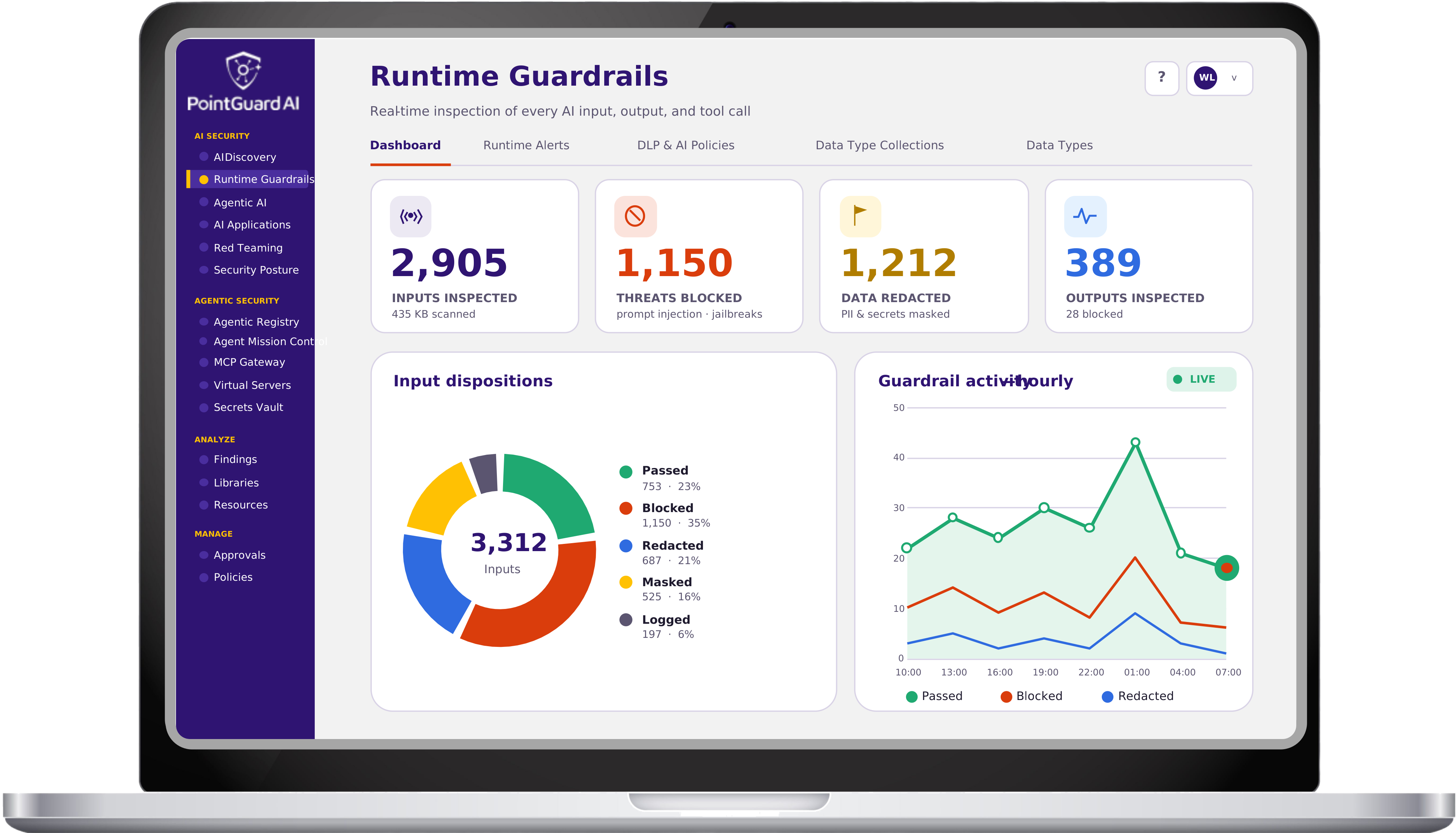
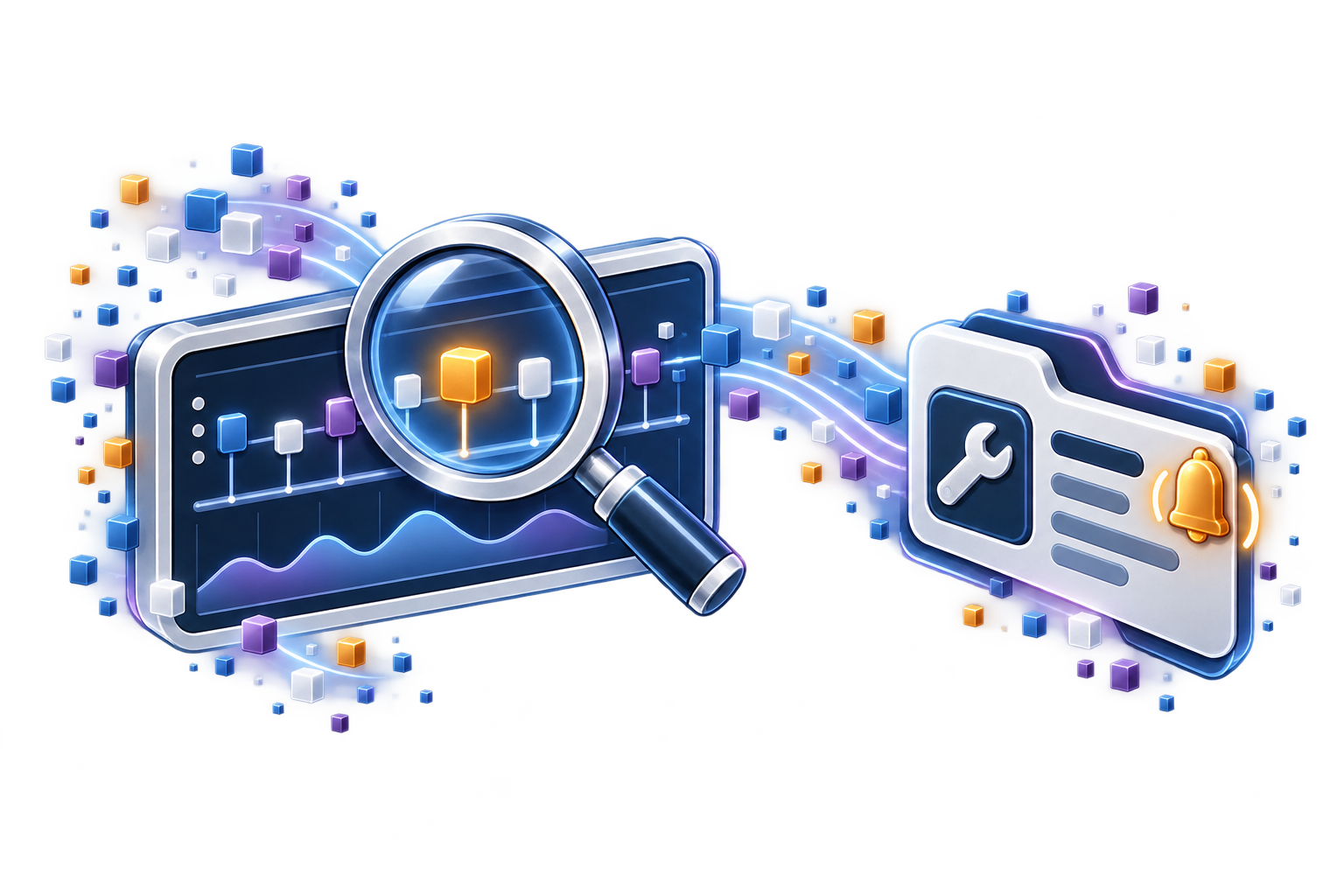
Review prompts and responses associated with violations, track threat and DLP trends across applications, and investigate enforcement decisions. Dashboards connect findings with application ownership and governance context. Alert workflows, comments, and automated remediation ticketing help teams prioritize issues, coordinate follow-up, and improve policies using evidence from production AI activity.
Explains violations with prompt and response evidence
Tracks application threats and enforcement trends
Automates remediation ticketing and alert workflows
PointGuard AI combines runtime threat detection and AI data protection with the business context needed for precise enforcement. Policies account for application criticality, exposure, environment, and sensitive data, while flexible actions support different operational needs. Teams can protect live interactions, understand violations, and adjust policies using a shared view of application risk.
Within the unified PointGuard AI platform, guardrail findings connect with discovery, security posture management, and testing to support application-centric governance. Integration with AI Gateway brings inspection into governed model access, while complementary MCP Security Gateway and Agent Mission Control capabilities extend protection to tool interactions and agent operations. Shared context supports coordinated investigation and remediation throughout the AI lifecycle.
Clients Words
AppSOC brings it all together in one intuitive dashboard – helping me prioritize vulnerabilities and ensure compliance.
Customer Spotlight
Learn More
Related Products
Our expert team can assess your needs, show you a live demo, and recommend a solution that will save you time and money.