Enforce intent-based, zero-trust authorization for AI agents by evaluating identity, purpose, delegated context, tools, and actions before execution.
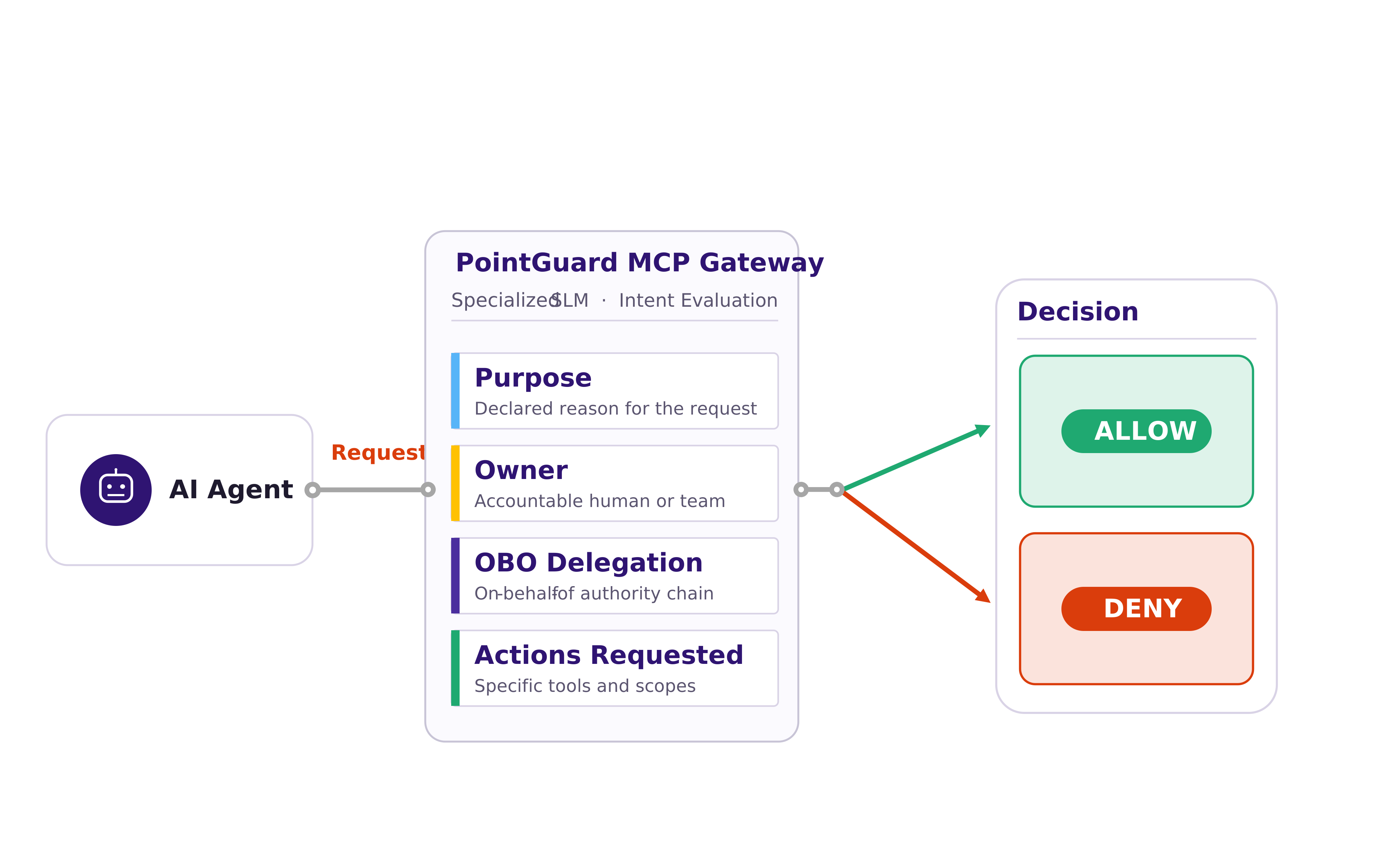
Evaluate sensitive agent actions against who the agent is, why it is acting, whose authority it carries, what resource it targets, and which operation it requests. Make authorization a continuous transaction-level decision rather than a standing permission.
The same agent may perform different tasks for different users and contexts. Static access controls create several risks:
PointGuard AI provides a comprehensive solution for intent-based, zero-trust access control:
1. Establish agent context. Identify the agent, owner, assigned purpose, mission, environment, and originating user or system.
2. Evaluate the requested action. Assess the target tool, operation, resource, content context, data sensitivity, and transaction risk.
3. Apply intent-based authorization. Use MCP Security Gateway to allow, deny, redirect, approve, or require step-up authentication before execution.
4. Record the decision. Capture identity, delegated context, intent, policy result, and outcome for investigation and compliance.
Authorization stays aligned with current user intent and enterprise policy instead of relying on broad standing access.
Applicable framework risks and controls include: