Block hidden instructions embedded in retrieved content before model ingestion. Govern downstream tool actions if malicious content reaches an agent.
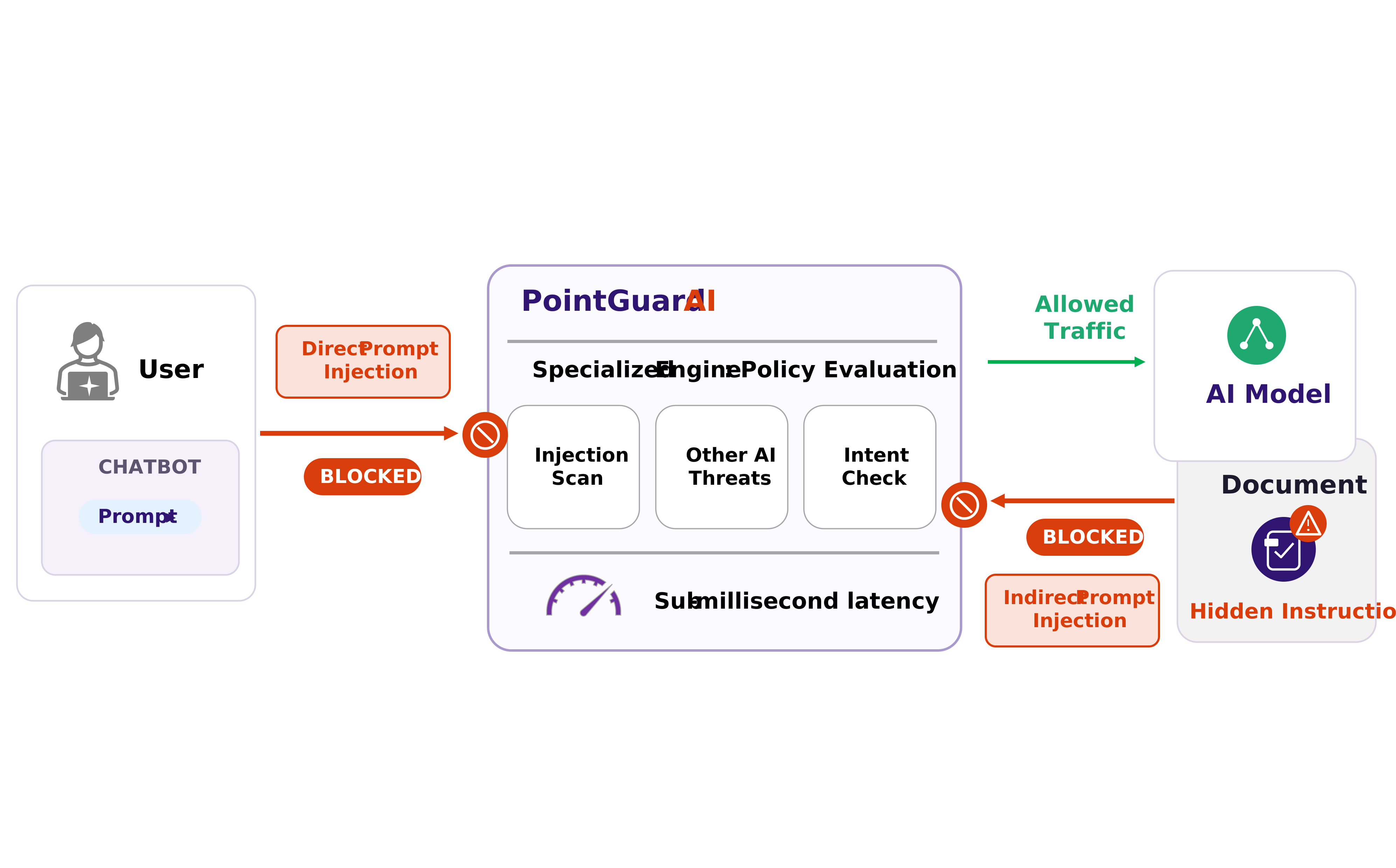
Indirect prompt injection hides malicious instructions inside content that an AI system later retrieves and trusts. PointGuard AI inspects that content before it reaches the model, closing a critical gap in RAG and agentic workflows.
The AI environment creates several recurring security and governance challenges:
PointGuard AI provides a comprehensive solution for inspecting retrieved content before model ingestion and governing resulting tool actions:
1. Inspect retrieved files. Use AI Intelligent Guardrails and MCP Security Gateway to scan documents, source code, PDFs, and other retrieved content for hidden malicious instructions before they reach the model.
2. Analyze metadata and context. Evaluate metadata and surrounding content for prompt-injection indicators that may not appear in the visible user request.
3. Block compromised content. Prevent malicious retrieved instructions from entering model context or influencing downstream responses.
4. Control resulting tool actions. Apply gateway policies to stop unauthorized tool execution even if an injected instruction influences agent reasoning.
This creates protection on both sides of the model: malicious content is filtered before ingestion and dangerous actions remain governed after inference.
Applicable framework risks and controls include: