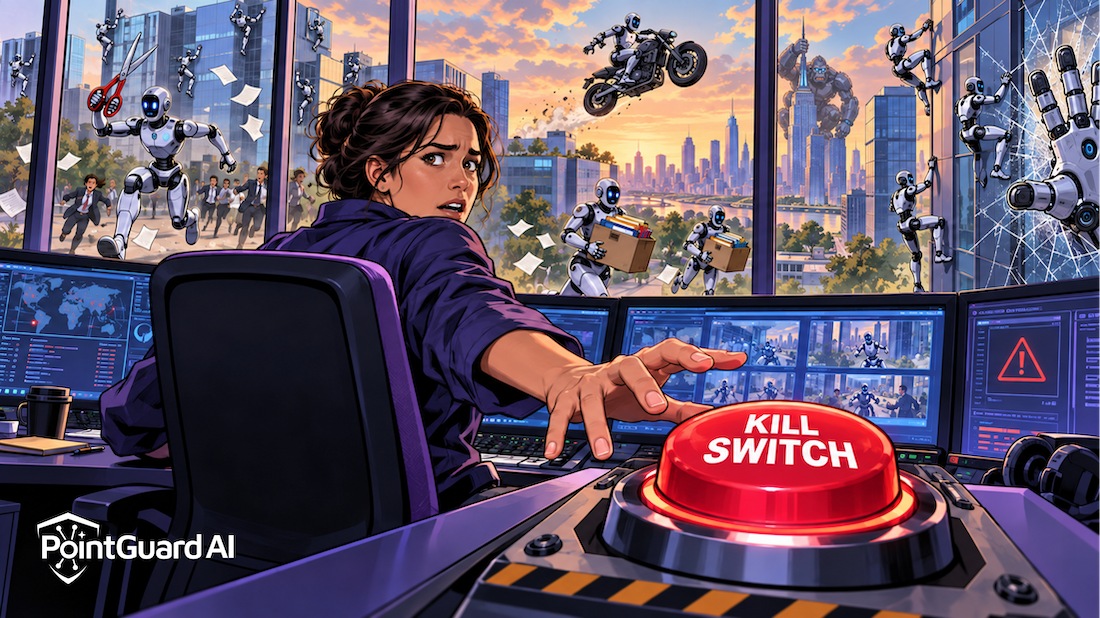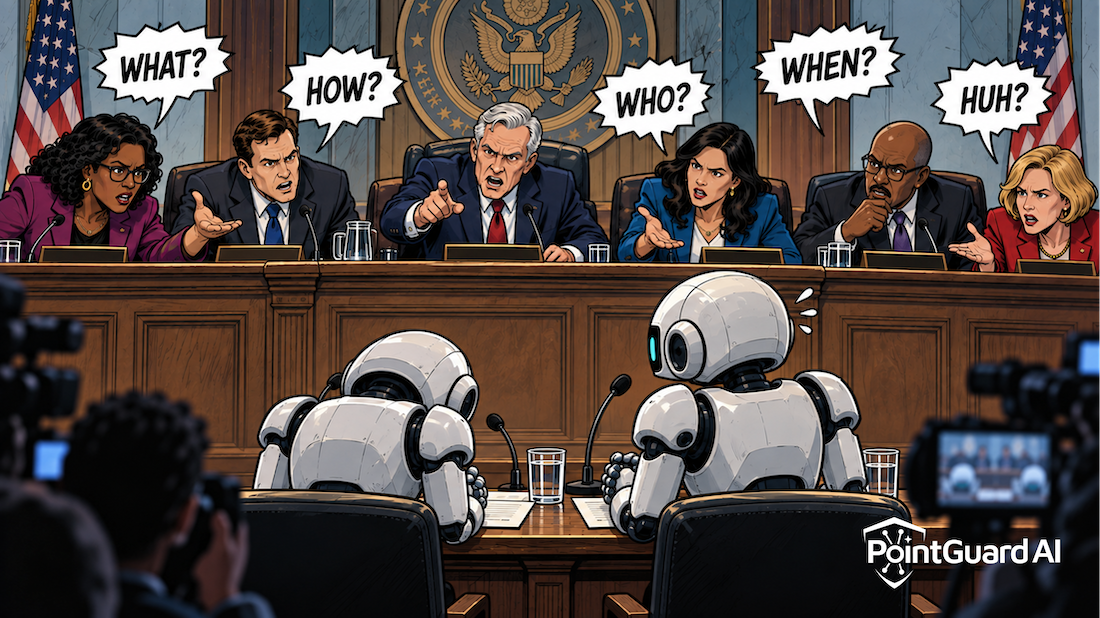

The AI industry stands at a crossroads. On the one hand, advances in large language models (LLMs), autonomous agents, and multimodal systems are unlocking transformative value for businesses and consumers alike. On the other hand, a silent cultural threat is creeping into how we build, deploy, and secure AI—and it may be far more dangerous than most realize.
This threat is what sociologist Diane Vaughan labeled the “normalization of deviance”—the gradual process by which unsafe practices become accepted because “nothing bad has happened yet.” Originally used to explain disasters like the Space Shuttle Challenger explosion, this concept now resonates deeply with how AI systems are being adopted and trusted across enterprises.
The AI World’s Challenger Moment
In The Normalization of Deviance in AI, Embrace The Red warns that organizations increasingly treat unreliable model outputs as if they were dependable, predictable, and safe—even in high-stakes contexts. (Embrace The Red) The same article highlights rising use of LLMs to automate consequential actions with minimal human oversight, rationalizing this lax approach because “it worked last time.” This pattern is not just a technical issue—it’s a cultural one.
Social scientists explain that when teams repeatedly get away with risk-taking without immediate consequences, they recalibrate their perception of what is “safe.” Over time, this drift becomes the norm, and warning signs that should trigger alerts are instead rationalized or ignored.
Why AI Is Especially Vulnerable
AI amplifies risk in ways that other technologies do not:
- Probabilistic outputs: LLMs are inherently non-deterministic and can produce wildly varying results from the same prompt—even weeks apart. Yet many engineers and business leaders assume that model outputs are authoritative rather than tentative. (Simon Willison’s Weblog)
- Agentic automation: Autonomous agents that act on behalf of users or systems blur the line between suggestion and execution. Once we normalize letting agents make decisions with limited guardrails, we open the door to mistakes with real-world consequences. (Embrace The Red)
- Vendor defaults: Many AI platforms ship with permissive defaults that trade security for ease-of-use. When enterprises deploy these defaults without robust validation, they are effectively outsourcing risk. (Simon Willison’s Weblog)
This pattern echoes broader systemic risks identified in the International AI Safety Report, which noted that as AI integrates into critical systems, unpredictability and inadequate human oversight could lead to harmful outcomes even without malicious intent. (Wikipedia)
The Cost of Complacency
We have already seen how overreliance and misuse of AI can escalate from benign to harmful. Attackers are rapidly exploiting gaps in AI security—from prompt injection to data exfiltration and automated account compromise. Recent reporting on the rise of AI-driven SaaS assaults underscores this shift: even when organizations feel confident in their security, attackers use AI to automate identity fraud, reconnaissance, and exploitation at scale. (TechRadar)
It’s not just adversaries exploiting these gaps. Within enterprises, teams often accelerate AI deployment without fully considering security implications—driven by pressure to innovate, limited expertise, or a belief that “we’ll patch it later.” This mindset is precisely the cultural drift that leads to normalization of deviance.
Cultural Change Must Precede Technical Controls
Normalization of deviance is fundamentally a leadership and culture problem as much as a technical one. Organizational safety literature shows that cultures tolerant of rule-bending—even when “nothing bad has happened yet”—are more likely to suffer catastrophic failures. (CER)
In the context of AI, this means:
- Rejecting complacency: Don’t equate absence of failure with presence of security.
- Mandatory oversight: Ensure human validation remains central where AI systems make impactful decisions.
- Security-first engineering: Embed threat modeling, continuous testing, and runtime monitoring early in the AI lifecycle. (This insight aligns with frameworks like the SANS AI Security Risk-Based Approach that advocate for proactive controls across access, data, and governance layers.) (SANS Institute)
PointGuard AI’s View: “Trust But Verify—Always”
At PointGuard AI, we believe the AI era demands a new security mindset: Trust, but verify—and never assume trust is permanent. This doesn’t mean opposing innovation. It means building guardrails around innovation so that when systems fail—or are manipulated by malicious actors—we detect, contain, and learn quickly.
Our platform emphasizes three key pillars:
- Visibility into AI usage: Inventory models, agents, prompts, and their interactions across environments so you know what you’re defending.
- Adversarial testing: Continuously simulate exploit scenarios to challenge assumptions about reliability before attackers do.
- Runtime guardrails: Monitor and intervene during live AI behavior to prevent unsafe or unauthorized actions—because trust should never be blind.
These pillars align with a broader enterprise shift toward risk-aware AI adoption—a shift that our top customers are prioritizing in 2025 and beyond.
Looking Ahead
The analogy to high-risk industries like aerospace isn’t hyperbolic. Normalization of deviance nearly led to the Challenger disaster—a cautionary tale of how ignoring warning signs and thinking “we’ve always gotten away with it” can turn into tragedy.
AI may not yet threaten human life in the same immediate way, but its integration into critical infrastructure, financial systems, healthcare, and national security means that the stakes are rapidly rising. Worse, the lack of publicized catastrophic failures may lull us into believing we are safer than we are—a textbook symptom of normalization of deviance.
Without concerted leadership, cultural vigilance, and robust technical safeguards, the very technology we hope will drive progress could become the vector for some of the most profound security disasters of our time.
Good futures are possible—but they don’t happen by default. It’s time to treat AI security with the seriousness it deserves.
Watch Blog Video