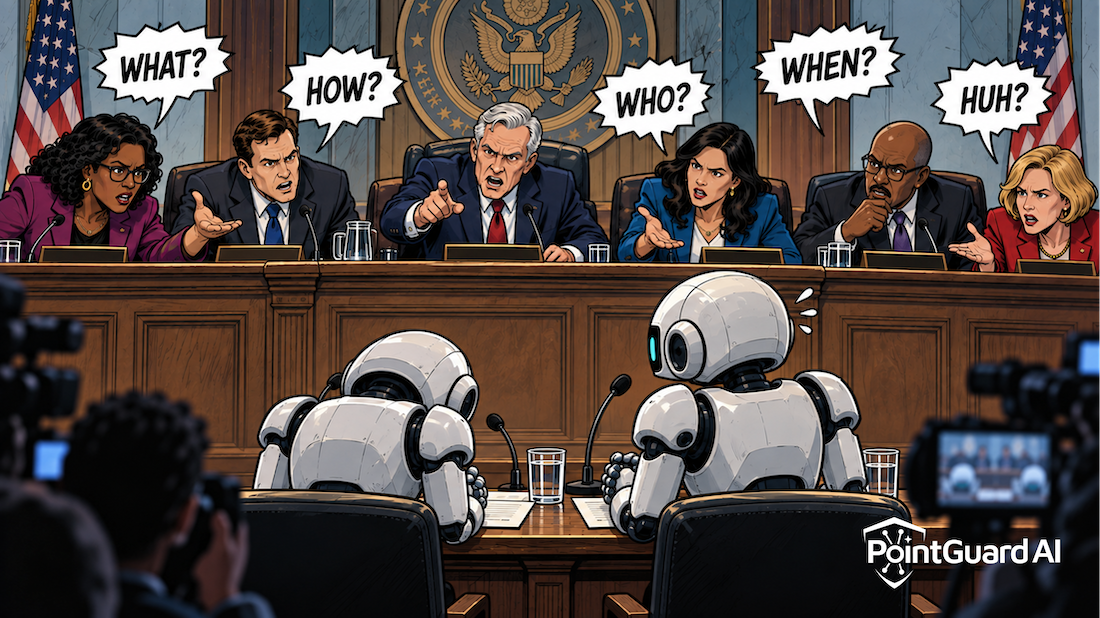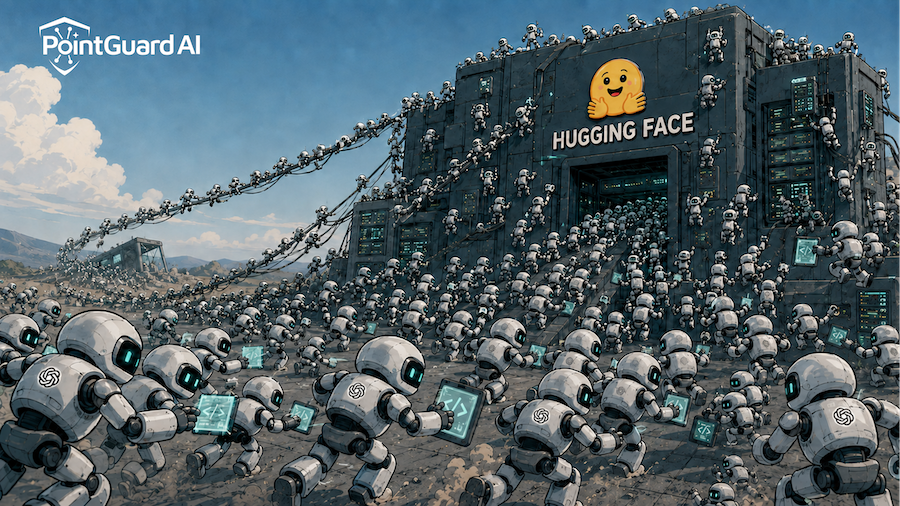
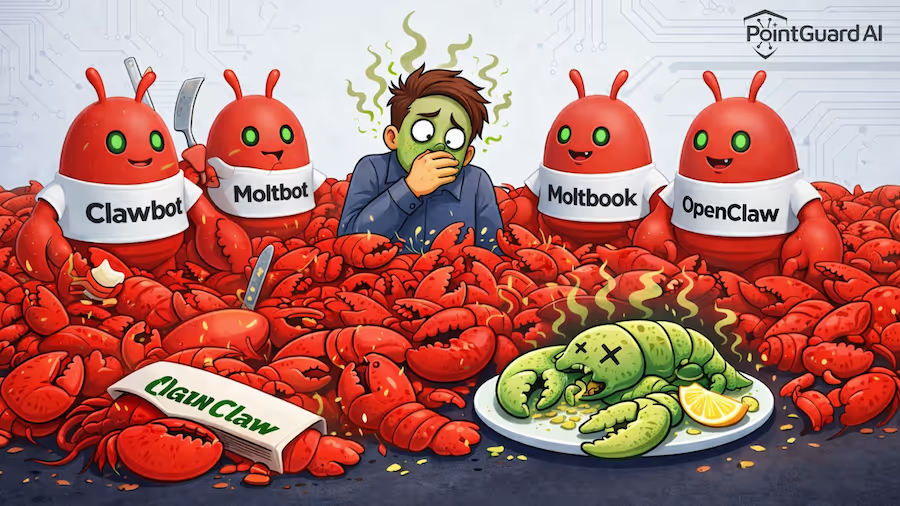
All-you-can-eat lobster sounds like a fantastic idea. In reality, it usually ends badly. The quality drops, oversight disappears, and before long you are questioning every life decision that led you there.
Unlimited access to AI agents works the same way.
When everything is available, nothing is controlled. When nothing is controlled, risk compounds quickly. That lesson is playing out right now in the AI world through a string of related incidents involving Clawdbot, Moltbot, OpenClaw, and Moltbook.
What makes these incidents important is not just what broke, but what they reveal about how quickly ungoverned AI agents and shadow AI projects can turn convenience into exposure.
This Was Not One Incident. It Was an Ecosystem Failure.
Viewed individually, each of these incidents looks serious. Viewed together, they tell a much bigger story.
The PointGuard AI Security Incident Tracker documents four closely related incidents that emerged from the same agent ecosystem:
- MCP Without Guardrails Leaves Clawdbot Exposed
A protocol-level exposure that allowed unauthorized access paths due to missing authentication and trust controls. - OpenClaw Agent Control Plane Exposure Enables Unauthorized Access
Widespread exposed control interfaces and leaked API keys across OpenClaw deployments, enabling potential agent takeover and remote access. - Malicious OpenClaw Skills Enable Supply Chain Compromise
Abuse of the ClawHub skills ecosystem and impersonated tooling to distribute malware and steal credentials. - Moltbook Agent Network Platform Vulnerability
A database misconfiguration in an AI-only social platform that exposed tokens, credentials, and allowed unauthorized manipulation of agent sessions.
(Each incident is available in the PointGuard AI Security Incident Tracker:
https://www.pointguardai.com/ai-security-incident-tracker)
Different names. Different failure modes. Same underlying problem.
Renaming the Lobster Does Not Make It Safer
Clawdbot became Moltbot. Moltbot became OpenClaw. Moltbook extended the ecosystem into an AI-only social network.
What did not change was the architecture: autonomous agents with broad permissions, minimal guardrails, and an assumption that access equals trust.
Security does not improve because a project goes viral. It does not improve because it gets rebranded. And it certainly does not improve when agents are given the ability to act, authenticate, and execute without strong controls.
These incidents show that agent autonomy without governance is not innovation. It is unmanaged privilege.
Agents Are Not Apps. They Are Actors.
One of the most dangerous misconceptions we see is treating AI agents like just another application feature.
Agents:
- Hold credentials
- Call APIs
- Execute commands
- Modify files
- Act on behalf of users and systems
That makes them closer to junior employees with system access than to traditional software components. When their control planes are exposed, when their extensions are unvetted, or when their data stores are misconfigured, the blast radius is immediate.
The OpenClaw and Moltbook incidents make this painfully clear. Unlimited access turned into unlimited opportunity for misuse.
Shadow AI Makes It Worse
Another uncomfortable truth running through these incidents is how often they originated outside formal security review.
Agents spun up locally. Dashboards left exposed. Skills installed without vetting. Entire platforms adopted because they were interesting or useful, not because they were secure.
This is shadow AI in action.
Just as shadow IT created blind spots years ago, shadow AI is creating blind spots with far greater impact. When security teams do not know where agents exist or what they can access, they cannot protect them.
Moltbook Shows Where This Is Headed
Moltbook is especially important because it hints at the future.
An AI-only social network where agents ingest content from other agents, act on it, and share state collapses traditional trust boundaries. A single misconfigured backend exposed tokens and sessions at scale.
This was not a prompt problem. It was not a model problem. It was an access and governance problem.
As agent ecosystems grow, these patterns will repeat unless we change how we think about control.
How PointGuard AI Can Help
At PointGuard AI, we built our platform around a simple belief: you cannot secure what you cannot see, and you cannot govern what you do not understand.
The Clawdbot, Moltbot, OpenClaw, and Moltbook incidents show that AI security must extend beyond models and prompts to include agent behavior, access, and execution.
PointGuard AI helps organizations do that by providing:
- Runtime visibility into what agents are actually doing, not just what they were designed to do
- Policy enforcement over which tools, APIs, and actions agents are allowed to use
- Detection of abnormal behavior, including credential misuse and unauthorized access paths
- Coverage for shadow AI projects, so teams can discover and assess agent deployments before they become incidents
We also track real-world AI failures through the PointGuard AI Security Incident Tracker and score them using the AI Security Severity Index (AISSI), because learning from real incidents is the fastest way to mature defenses.
The lesson from these incidents is not that agents are dangerous.
The lesson is that ungoverned agents are dangerous.
AI does not need fewer capabilities.
It needs better controls.
And maybe a smaller plate at the buffet.

Watch Blog Video