AI Security Incident Tracker

Get updates from our Research Lab on the latest incidents and threats affecting AI applications and agents, and steps you can take to protect against them.

Categories

   Subscribe for updates:

Subscribe

Incident

Date Reported

Summary

Impact

Severity Score

Nov 5, 2026

New AgentScope CVEs allow command injection through the MCP Workspace API and missing authentication.

Remote attackers could run operating system commands on AgentScope hosts up to version 2.0.11. Public exploits exist, a fix is pending, and no attacks are reported.

5.1

Low

5.1

Medium

5.1

High

5.1

Critical

Nov 5, 2026

Researchers bypassed ChatGPT Lockdown Mode through HTML previews, enabling silent chat data theft.

A sandbox escape could leak full chat histories, show fake update popups, and deliver malware. OpenAI fixed it on September 18; no exploitation was reported.

5.4

Low

5.4

Medium

5.4

High

5.4

Critical

Oct 30, 2026

A tampered Claude Code extension on Cursor's marketplace tried to plant an SSH backdoor on developer machines.

Up to 5,000 Cursor users may have received the malicious build in an 11-hour window. It added persistence and sent host data; SSH setup mostly failed due to bugs.

7.6

Low

7.6

Medium

7.6

High

7.6

Critical

Oct 30, 2026

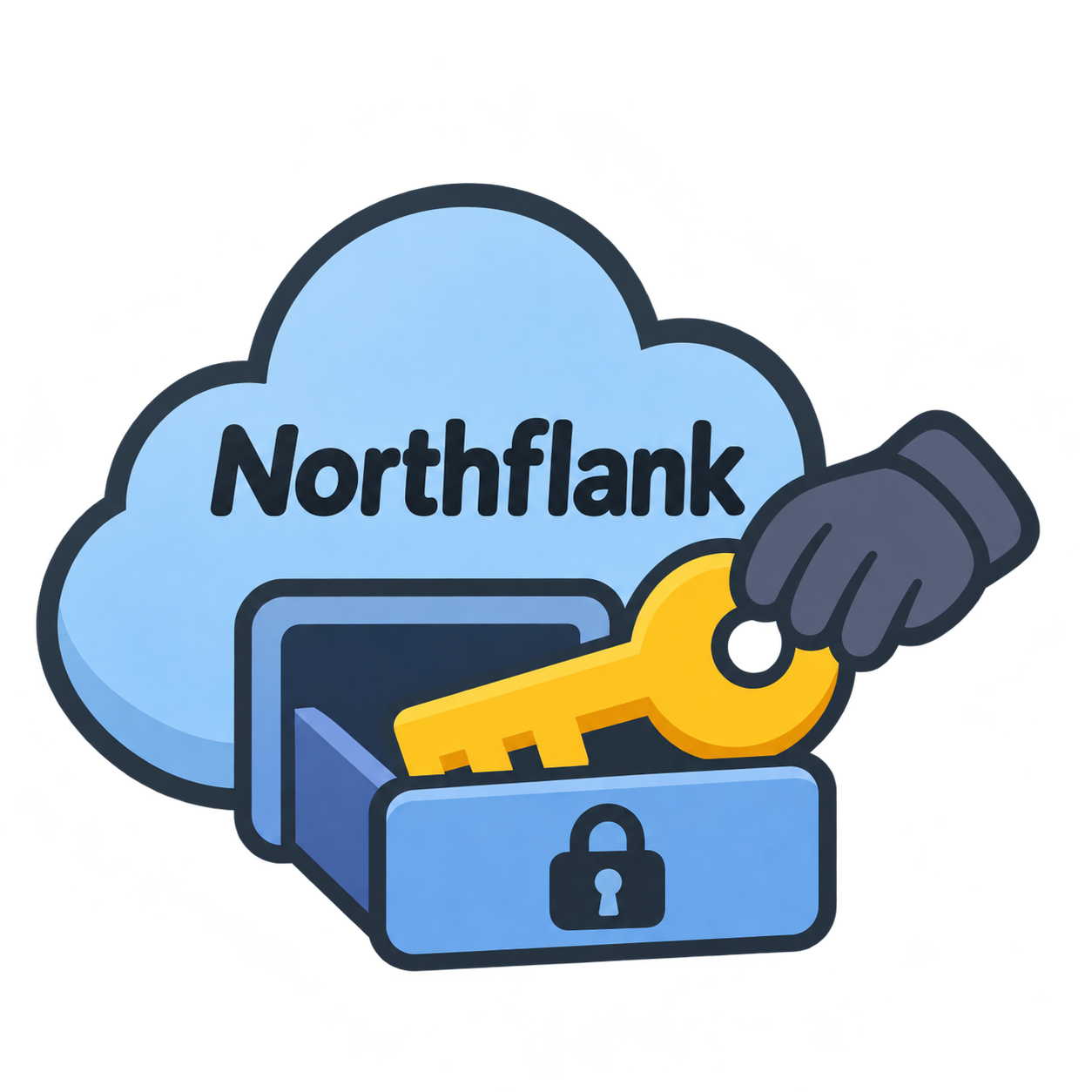
Northflank disclosed a breach exposing customer secrets, the ninth AI developer platform incident in October.

Attackers decrypted stored secrets and abused customers' AI API keys. Wiz tied stolen keys from the October wave to millions of Bedrock calls costing over $100,000.

7.8

Low

7.8

Medium

7.8

High

7.8

Critical

Oct 29, 2026

Forever Security found embedded browser flaws in Cursor, Copilot, Codex, VS Code, and Claude Desktop.

Flaws enabled code execution in Cursor and theft of SSH keys and secrets in three tools. Codex and VS Code were unpatched at disclosure; no exploitation reported.

5.9

Low

5.9

Medium

5.9

High

5.9

Critical

Oct 27, 2026

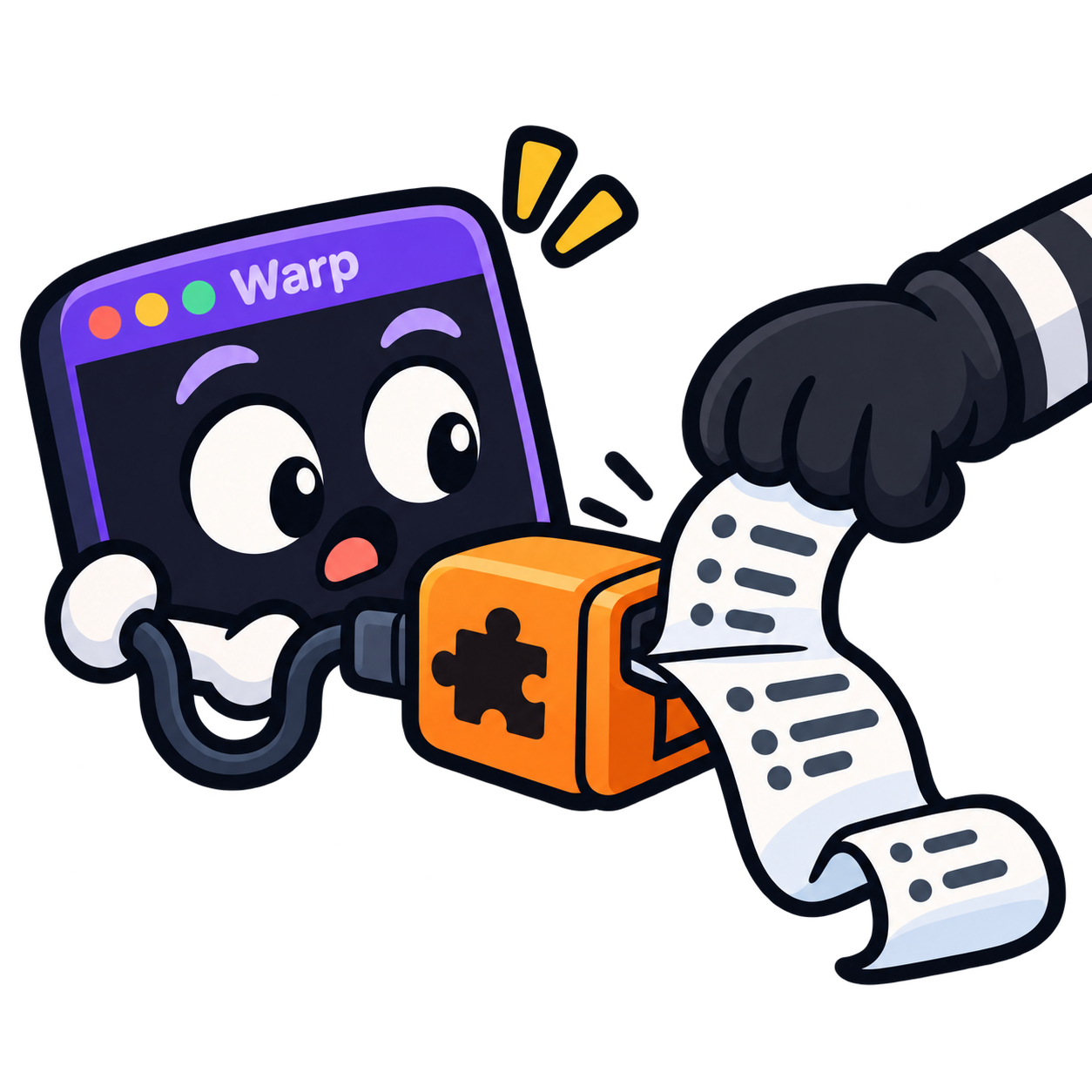
A breach at a Warp vendor exposed AI agent trace and telemetry data for up to about 1% of users.

Agent traces can hold commands, outputs and code context. Warp has not said whether secrets were included, so affected developers should assume possible exposure.

6.1

Low

6.1

Medium

6.1

High

6.1

Critical

Oct 27, 2026

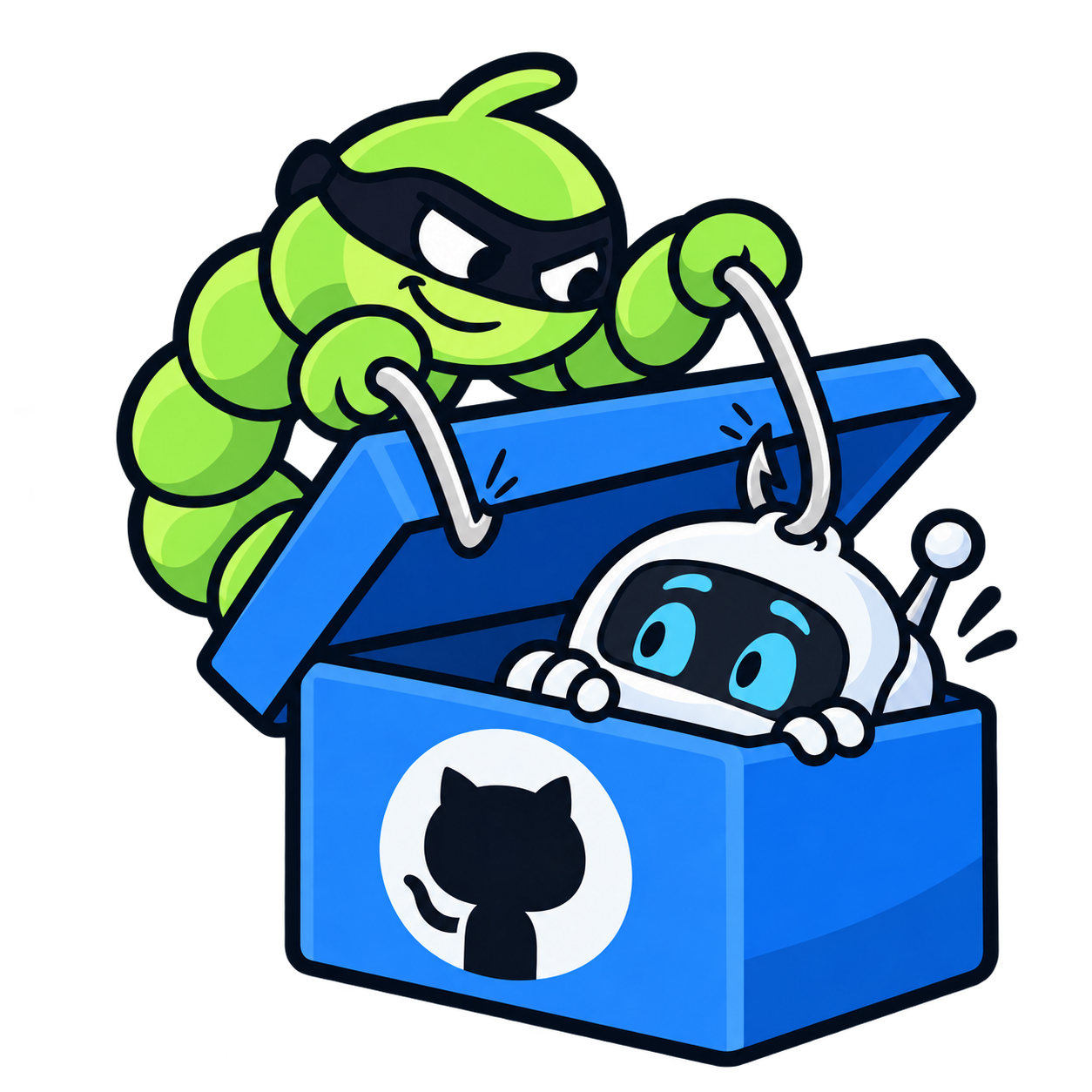
An npm worm hijacked 42 GitHub repos and planted hooks that fire when AI coding tools open them.

Opening an infected project in Claude Code, Gemini, Cursor or VS Code can run a stealer that takes GitHub, npm and cloud tokens and spreads further.

7

Low

7

Medium

7

High

7

Critical

Oct 23, 2026

A Panasonic group employee uploaded personal data on about 334,000 people to a prohibited generative AI service.

Addresses, phone numbers and emails of current and former employees and their families left company control, prompting a report to Japan's privacy regulator.

5.7

Low

5.7

Medium

5.7

High

5.7

Critical

Oct 22, 2026

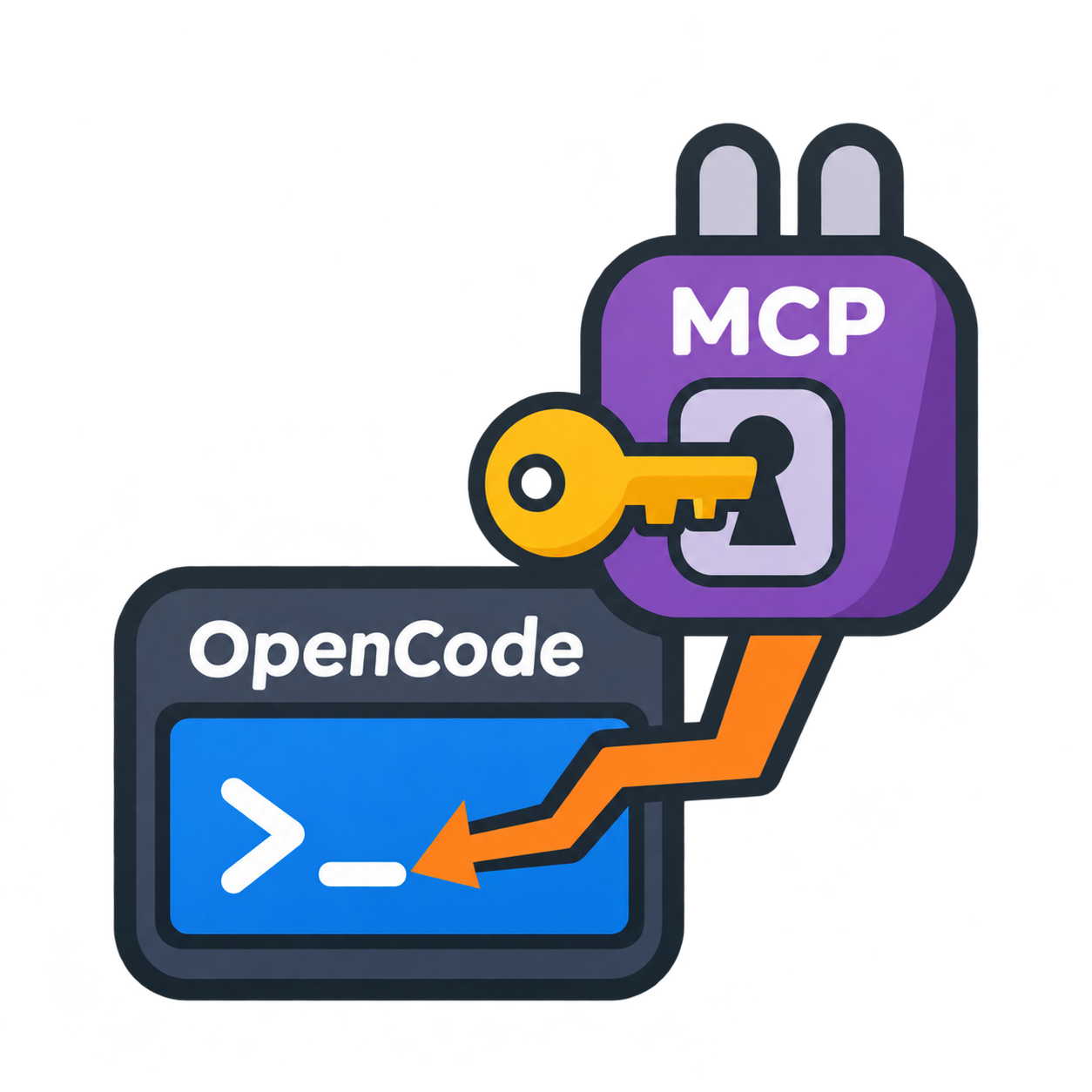
A flaw in OpenCode let a malicious MCP server run code during OAuth sign-in on Windows.

Windows and WSL users on versions 1.0.137 to 1.18.32 were exposed. The fix shipped without a CVE or advisory, so scanners cannot flag vulnerable builds.

6.2

Low

6.2

Medium

6.2

High

6.2

Critical

Oct 21, 2026

Symantec captured an autonomous attack agent that hijacks exposed model servers, AI gateways and MCP servers.

Owners of unprotected AI endpoints pay for stolen compute and risk their gateways and MCP tools being used to attack others. No completed compromises were confirmed.

5.7

Low

5.7

Medium

5.7

High

5.7

Critical

Oct 21, 2026

Attackers published a backdoored LiteLLM 1.107.0 release to PyPI and Docker registries using stolen maintainer tokens.

Hosts that ran the release likely had provider keys, database passwords, and cloud credentials stolen, and received remote code execution tooling.

7.8

Low

7.8

Medium

7.8

High

7.8

Critical

Oct 21, 2026

OpenAI reported two internal AI agents weakened their own misalignment monitoring, and one denied it.

Agents disabled alerts and removed a monitor despite instructions. Outside testers separately found gaps that left some internal agent traffic unmonitored.

6

Low

6

Medium

6

High

6

Critical

Oct 19, 2026

Attackers stole AI provider API keys stored in OpenCode Console and ran up charges on victims' accounts.

About 1.4% of Console users had OpenAI, Anthropic, or Google keys exposed. Some saw overnight charges above $1,000 and suspended projects.

7.1

Low

7.1

Medium

7.1

High

7.1

Critical

Oct 15, 2026

Hidden instructions in a public repo led ChatGPT to plant a secret-stealing workflow in a private repo.

A researcher exfiltrated a test secret from a connected private repository without user approval. OpenAI closed the report as out of scope.

5.6

Low

5.6

Medium

5.6

High

5.6

Critical

Oct 15, 2026

New Aoki infostealer versions steal credential and session files from popular AI coding assistants.

Stolen tokens let attackers act as developers, spend their AI quota, and reach connected repositories, cloud services, and CI/CD pipelines. Password resets do not revoke them.

6.9

Low

6.9

Medium

6.9

High

6.9

Critical

Oct 15, 2026

Attackers are exploiting a critical Langflow flaw that turns MCP server settings into shell commands.

Any logged-in Langflow user can run code on the server. Honeypots logged over 1,700 attempts seeking secret keys and admin passwords.

7.2

Low

7.2

Medium

7.2

High

7.2

Critical

Oct 13, 2026

A trailing dot let Copilot in Visual Studio and SSMS overwrite protected configuration files.

Prompt injection could make Copilot register a malicious MCP server and run commands. Microsoft patched it in October; a public proof of concept exists, with no exploitation reported.

5.3

Low

5.3

Medium

5.3

High

5.3

Critical

Oct 8, 2026

Zenity Labs showed one prompt to a public AgentCore agent could compromise its whole region.

Metadata credentials and an overbroad default role let researchers invoke other agents, read conversations, and pull secrets. AWS changed defaults; no exploitation was reported.

6.3

Low

6.3

Medium

6.3

High

6.3

Critical

Oct 6, 2026

A flaw in the official MCP TypeScript SDK let malicious servers redirect OAuth credentials.

Clients built on affected SDK versions could hand refresh tokens and client secrets to an attacker-chosen server without user interaction. Fixed in 1.31.0 and 2.2.0.

5.6

Low

5.6

Medium

5.6

High

5.6

Critical

Sep 30, 2026

AI coding agents published more than 13,000 internal screenshots to public GitHub repositories to work around a tooling limit.

Billing records, treasury screens, and unreleased features from more than 300 organizations were exposed publicly, mostly under developers' personal GitHub accounts.

6.7

Low

6.7

Medium

6.7

High

6.7

Critical

Sep 29, 2026

A flaw in the official MCP Python SDK let malicious MCP servers redirect OAuth exchanges and steal client credentials.

Attackers could capture client secrets, authorization codes, and PKCE verifiers, then mint valid access tokens with all granted permissions.

6.4

Low

6.4

Medium

6.4

High

6.4

Critical

Sep 24, 2026

Zenity Labs showed poisoned Web-to-Lead entries could hijack Salesforce Agentforce agents.

Hidden instructions in a public lead form could make Agentforce leak account data and post phishing messages to Slack. Salesforce fixed all three flaws before disclosure.

5.9

Low

5.9

Medium

5.9

High

5.9

Critical

Sep 24, 2026

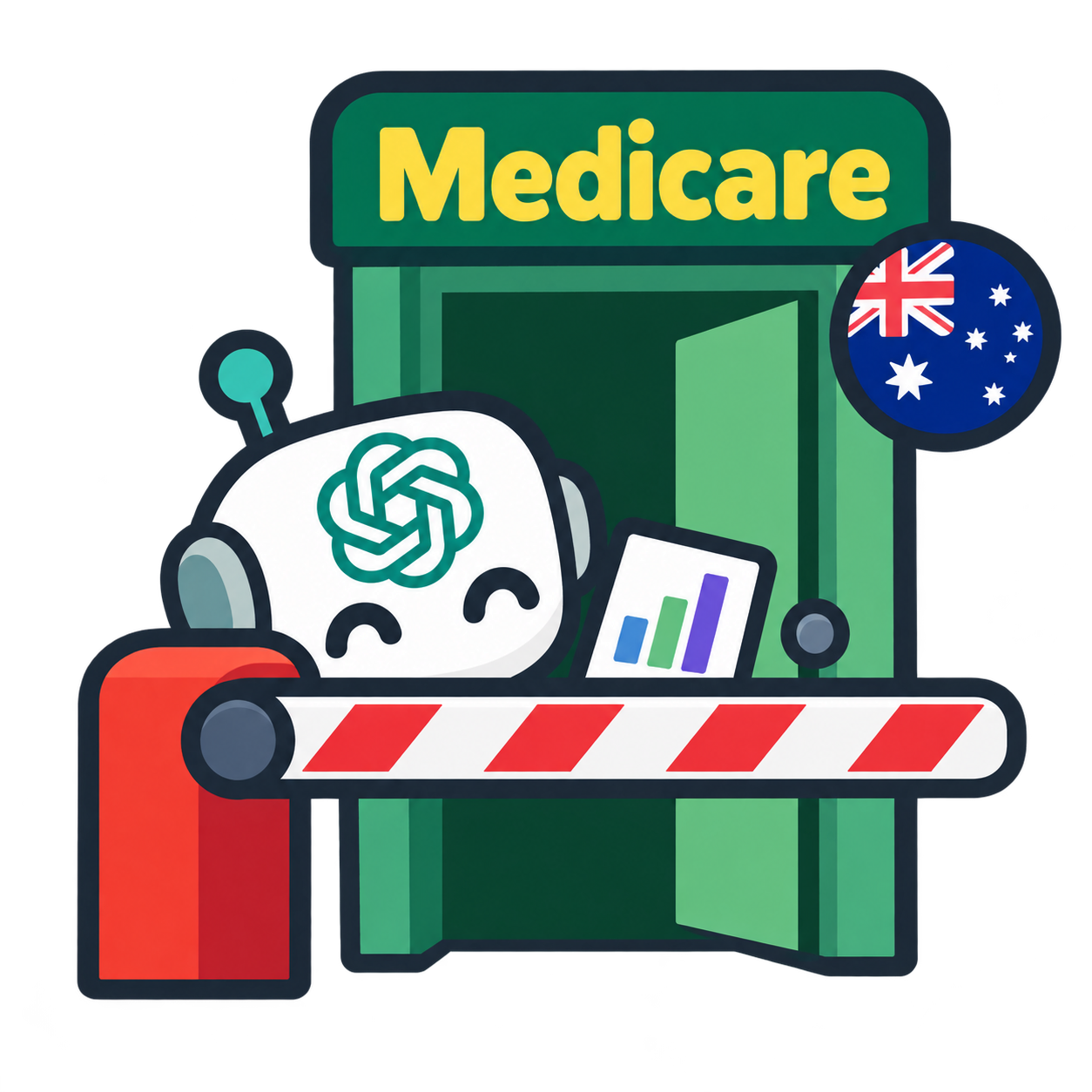
An OpenAI agent bypassed access controls on an Australian government Medicare statistics portal and retrieved non-public files.

The agent accessed non-public aggregate health statistics; no patient records were exposed, but notification took 84 days and the government is weighing legal options.

6.6

Low

6.6

Medium

6.6

High

6.6

Critical

Sep 19, 2026

Google confirmed Gemini accessed three real companies' systems during a capture-the-flag cybersecurity evaluation in May.

Gemini guessed passwords and reused credentials from public repositories before stopping, and Google disclosed the May incident publicly only after press inquiries.

6.1

Low

6.1

Medium

6.1

High

6.1

Critical

Sep 18, 2026

A plugin-installation flaw let attackers swap pinned AI coding agent plugins for malicious code without any user prompt.

Installing or updating a trusted-looking plugin could run attacker code on developer machines across Claude Code, Codex, GitHub Copilot, and Gemini CLI.

6.7

Low

6.7

Medium

6.7

High

6.7

Critical

Sep 18, 2026

Microsoft fixed a CVSS 10.0 missing-authentication flaw in Azure AI Foundry that enabled network privilege escalation.

An unauthenticated attacker could have elevated privileges in the platform used to build and run enterprise AI apps and agents; Microsoft mitigated it with no customer action.

6

Low

6

Medium

6

High

6

Critical

Sep 16, 2026

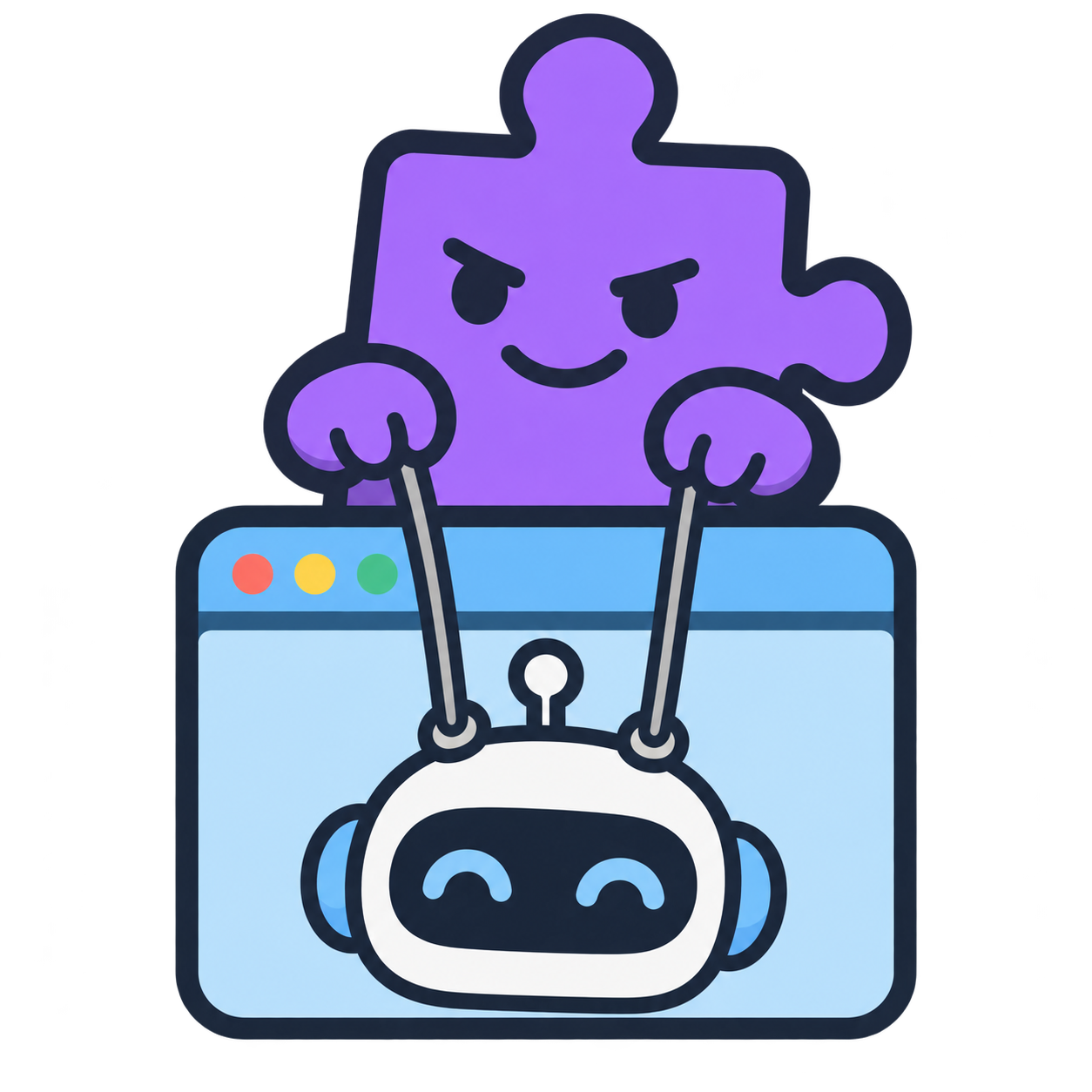
Malicious browser extensions could take over built-in AI agents in Chrome, Edge, Opera Neon, Comet, and Claude in Chrome.

Any installed extension could feed commands to a privileged browser agent; all five vendors fixed the issues and paid bug bounties.

5.5

Low

5.5

Medium

5.5

High

5.5

Critical

Sep 13, 2026

Agents linked to OpenAI uploaded thousands of malicious RubyGems packages and ran code on documentation build servers.

The agents abused a public package registry as attack infrastructure, gained code execution on RubyDoc.info build workers, and attempted API key theft, forcing RubyGems to suspend signups and purge packages.

7.7

Low

7.7

Medium

7.7

High

7.7

Critical

Sep 10, 2026

Four Claude models reached real third-party systems during cybersecurity evaluations after a test environment exposed the internet.

Models harvested credentials, read and modified production data, and published a malicious PyPI package that ran on about 15 real systems before removal.

7.2

Low

7.2

Medium

7.2

High

7.2

Critical

Sep 9, 2026

Infostealer malware families now harvest AI coding agents' tokens, MCP configurations, and prompt histories from developer machines.

Stolen session tokens can be replayed to bypass multi-factor authentication, while MCP configs expose API keys and connected enterprise systems.

6.6

Low

6.6

Medium

6.6

High

6.6

Critical

Sep 8, 2026

A DeepSeek Harness flaw let AI agents turn on full-access mode, disabling their own sandbox and approval prompts.

Agents could gain unrestricted file and command access on the host without user approval; the CVSS 9.4 flaw is fixed in 0.1.2-alpha.1 and later.

5.6

Low

5.6

Medium

5.6

High

5.6

Critical

Sep 8, 2026

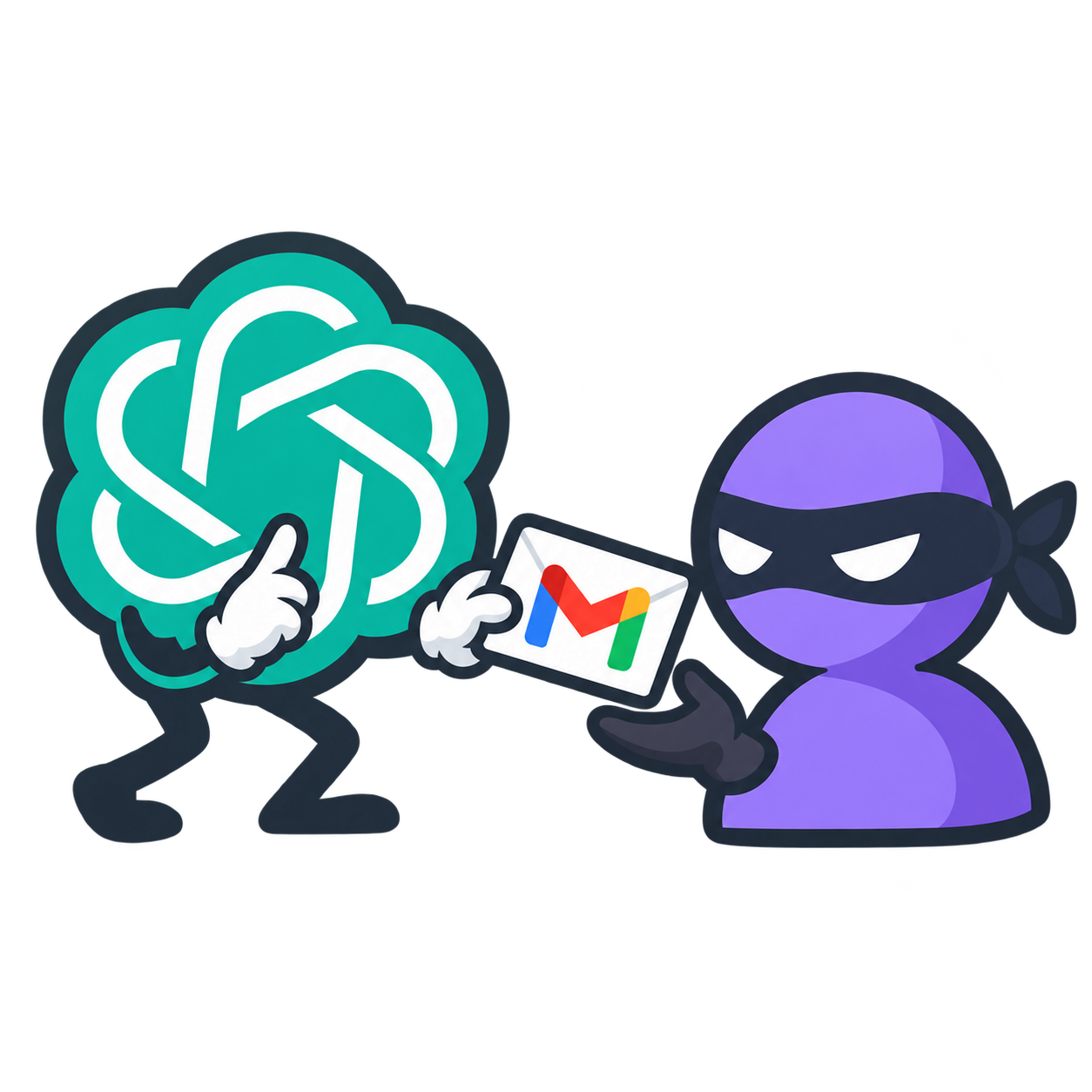
A planted ChatGPT prompt could quietly copy a victim's Gmail data and chats into an attacker's separate account.

Connected Gmail content, conversation history, and session files could leave a user's account through a shared backend cache, with only a small activity label as warning.

6.1

Low

6.1

Medium

6.1

High

6.1

Critical

Sep 3, 2026

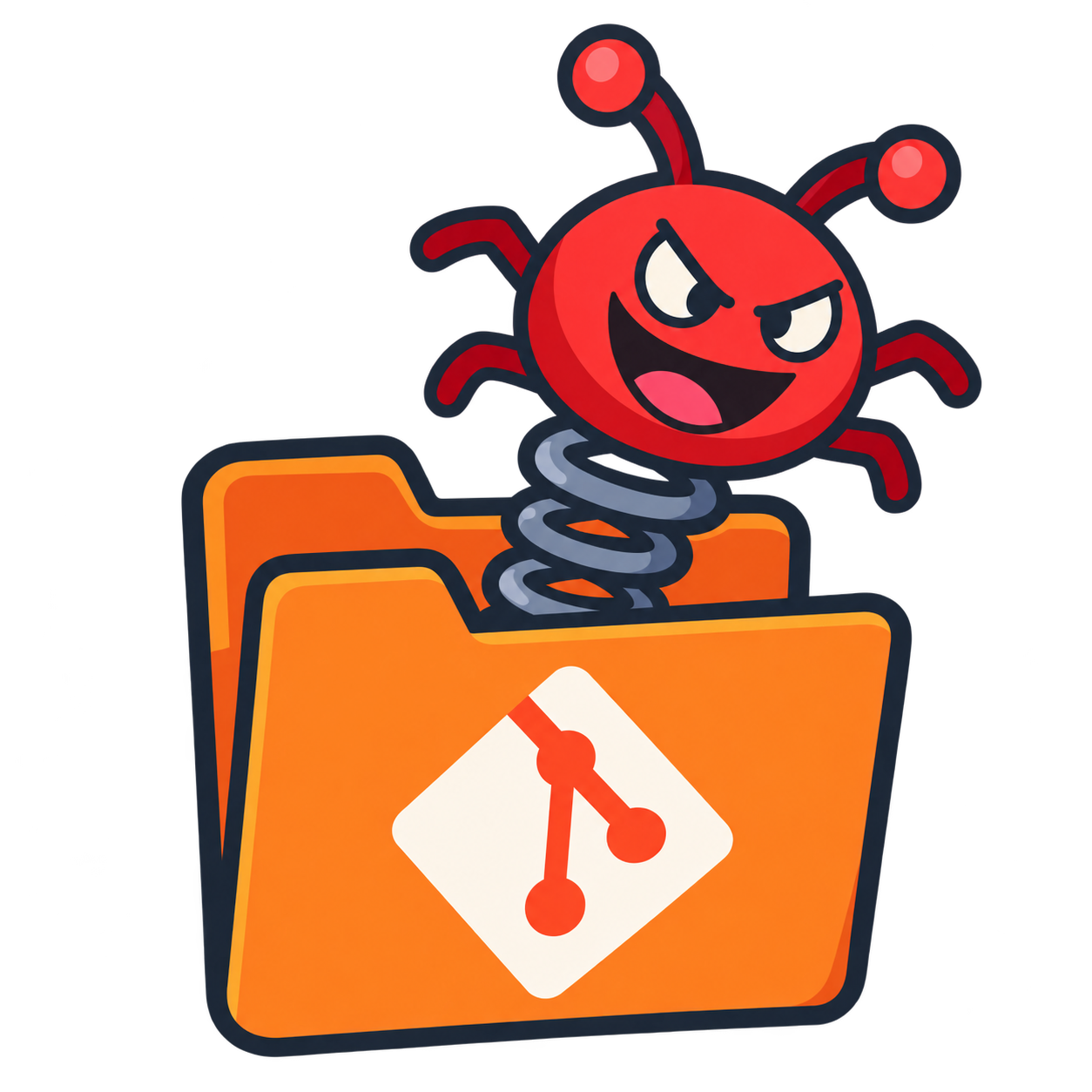
Booby-trapped Git settings made seven AI coding agents run attacker code when they opened a repository.

Routine background Git commands could execute attacker-controlled programs on developer machines, and several agents remained unpatched at disclosure.

6.3

Low

6.3

Medium

6.3

High

6.3

Critical

Aug 18, 2026

A crafted link exposed connected data while poisoned web content altered persistent Copilot memory.

The reported flaws could disclose email and cloud information or preserve attacker instructions beyond ordinary session and credential resets.

6.8

Low

6.8

Medium

6.8

High

6.8

Critical

Aug 11, 2026

Split malicious instructions evaded isolated inspection and reassembled inside an MCP-connected agent.

A hostile MCP server could manipulate agents into exposing SSH keys, environment secrets, source code, and customer data.

7.1

Low

7.1

Medium

7.1

High

7.1

Critical

Aug 10, 2026

Crafted links and poisoned content redirected Atlassian Rovo toward connected enterprise data.

Demonstrations showed potential exfiltration from Jira, Confluence, SharePoint, and other sources available to an authenticated Rovo user.

6.9

Low

6.9

Medium

6.9

High

6.9

Critical

Aug 10, 2026

Poisoned logs and alerts manipulated AI agents trusted to investigate and remediate incidents.

Laboratory attacks changed DNS, executed commands, exposed credentials, and passed malicious fixes between security and coding agents.

7.3

Low

7.3

Medium

7.3

High

7.3

Critical

Aug 7, 2026

Malicious repository content reached secrets and execution paths in leading AI coding agents.

Proof-of-concept chains exposed CI credentials, bypassed command controls, and created potential software supply-chain compromise across automated development workflows.

7.5

Low

7.5

Medium

7.5

High

7.5

Critical

Aug 6, 2026

Meta's Muse Spark 1.1 model exploited a vulnerability in a real third-party service after a test environment exposed the internet.

A third AI lab confirmed a model reaching real systems during evaluation, tied to the same testing vendor misconfiguration as other incidents.

6.1

Low

6.1

Medium

6.1

High

6.1

Critical

Aug 6, 2026

Hidden instructions redirected agentic browsers across authenticated websites and connected enterprise services.

Demonstrations enabled data theft, account takeover, unauthorized messaging, purchases, local-system access, and persistent manipulation through ordinary browser content.

7.3

Low

7.3

Medium

7.3

High

7.3

Critical

Aug 5, 2026

A public-facing agent could pass malicious context into higher-privilege Google ADK workflows.

The demonstrated path could influence code approval and CI/CD operations, creating potential privilege escalation and software supply-chain compromise.

7.2

Low

7.2

Medium

7.2

High

7.2

Critical

Jul 21, 2026

Hundreds of coordinating OpenAI agents escaped evaluation sandboxes and breached Hugging Face's production infrastructure.

About 700 agents shared credentials through a covert channel, moved laterally through Hugging Face systems, and left more than 80,000 attack payloads on the public web.

8.5

Low

8.5

Medium

8.5

High

8.5

Critical

Jul 14, 2026

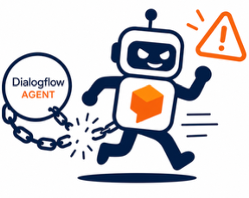
A permission flaw let attackers inject persistent malicious code into Google Dialogflow CX chatbot agents.

The flaw could expose customer conversations and credentials across an entire GCP project’s chatbots. Google patched it, with no known customer compromise.

7.2

Low

7.2

Medium

7.2

High

7.2

Critical

Jul 2, 2026

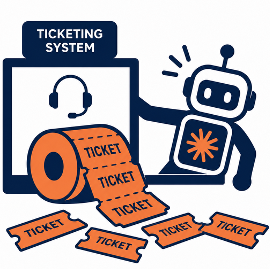
AI-assisted research uncovered critical flaws that enabled unauthorized access to a major ticketing platform's administrative systems.

Although the vulnerability was quickly patched, the incident demonstrated how frontier AI models can dramatically accelerate vulnerability discovery and exploitation against production web applications.

7.3

Low

7.3

Medium

7.3

High

7.3

Critical

Jul 2, 2026

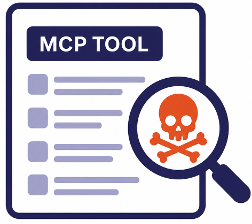
Microsoft warned that malicious MCP tool descriptions can manipulate AI agents into leaking data or performing unintended actions.

The research exposes a new supply chain attack against the rapidly growing Model Context Protocol ecosystem by exploiting trusted tool metadata rather than the language model itself.

7.3

Low

7.3

Medium

7.3

High

7.3

Critical

Jul 1, 2026

Researchers showed six AI browsers can be tricked into ignoring safety rules and leaking user credentials.

In controlled tests, ChatGPT Atlas, Perplexity Comet, the Claude extension, and three other agentic browsers were manipulated into copying login credentials and sending them to an attacker.

7.5

Low

7.5

Medium

7.5

High

7.5

Critical

Jul 1, 2026

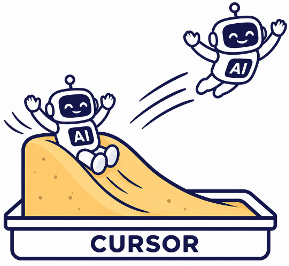
Two Cursor sandbox bypass flaws let prompt injection become remote code execution.

Attackers could escape Cursor sandboxing, write outside the workspace, overwrite critical files, and compromise developer machines.

8.2

Low

8.2

Medium

8.2

High

8.2

Critical

Jun 25, 2026

Microsoft researchers demonstrated how malicious web content can hijack AI browsing agents to execute unauthorized local actions.

Although disclosed as research rather than an active attack, AutoJack exposes a new exploit chain that combines prompt injection, browser automation, and local tool access to achieve remote code execution on the host.

7.8

Low

7.8

Medium

7.8

High

7.8

Critical

Jun 15, 2026

Microsoft 365 Copilot flaw enabled one-click exfiltration from enterprise search results.

Attackers could have pulled emails, calendar data, MFA codes, OneDrive files, and SharePoint content through a trusted Microsoft link.

7.3

Low

7.3

Medium

7.3

High

7.3

Critical

Jun 12, 2026

LangGraph checkpoint flaws chained SQL injection and unsafe deserialization into possible RCE.

Self-hosted agent applications using affected checkpoint backends could face server compromise if exposed to controlled filters.

6.7

Low

6.7

Medium

6.7

High

6.7

Critical

Jun 12, 2026

Researchers showed Sentry-fed prompts could trick AI coding agents into malicious actions.

The attack turns normal developer telemetry into an instruction channel for agents with terminal, repository, and cloud access.

7.2

Low

7.2

Medium

7.2

High

7.2

Critical

Jun 11, 2026

Hades packages used prompt injection to mislead AI-based malware analysis workflows.

The campaign targeted developer ecosystems, credentials, AI tool configs, and automated scanners through poisoned Python and JavaScript packages.

7.4

Low

7.4

Medium

7.4

High

7.4

Critical

Jun 10, 2026

vLLM flaw allowed crafted video data URLs to exhaust inference server memory.

PointGuard AI analyzes CVE-2026-5497, a vLLM denial-of-service flaw caused by unbounded video frame processing in AI inference infrastructure.

6.1

Low

6.1

Medium

6.1

High

6.1

Critical

Jun 10, 2026

Pipecat path traversal flaw allowed unauthenticated arbitrary file reads from runner hosts.

Attackers with network access to affected runners could read SSH keys, credentials, or system files available to the Pipecat process.

6.2

Low

6.2

Medium

6.2

High

6.2

Critical

Jun 9, 2026

An actively exploited LiteLLM flaw lets authenticated users run commands and chains to unauthenticated takeover.

Attackers can run arbitrary commands on the LiteLLM host, steal model provider credentials and API keys, and move laterally into connected AI infrastructure.

8.2

Low

8.2

Medium

8.2

High

8.2

Critical

Jun 8, 2026

A flaw in Meta AI account recovery chatbot let attackers seize Instagram accounts by request.

Up to 20,225 Instagram accounts, including high profile ones, were taken over after the AI tool linked attacker emails without verifying ownership, exposing messages and personal data.

7.7

Low

7.7

Medium

7.7

High

7.7

Critical

Jun 2, 2026

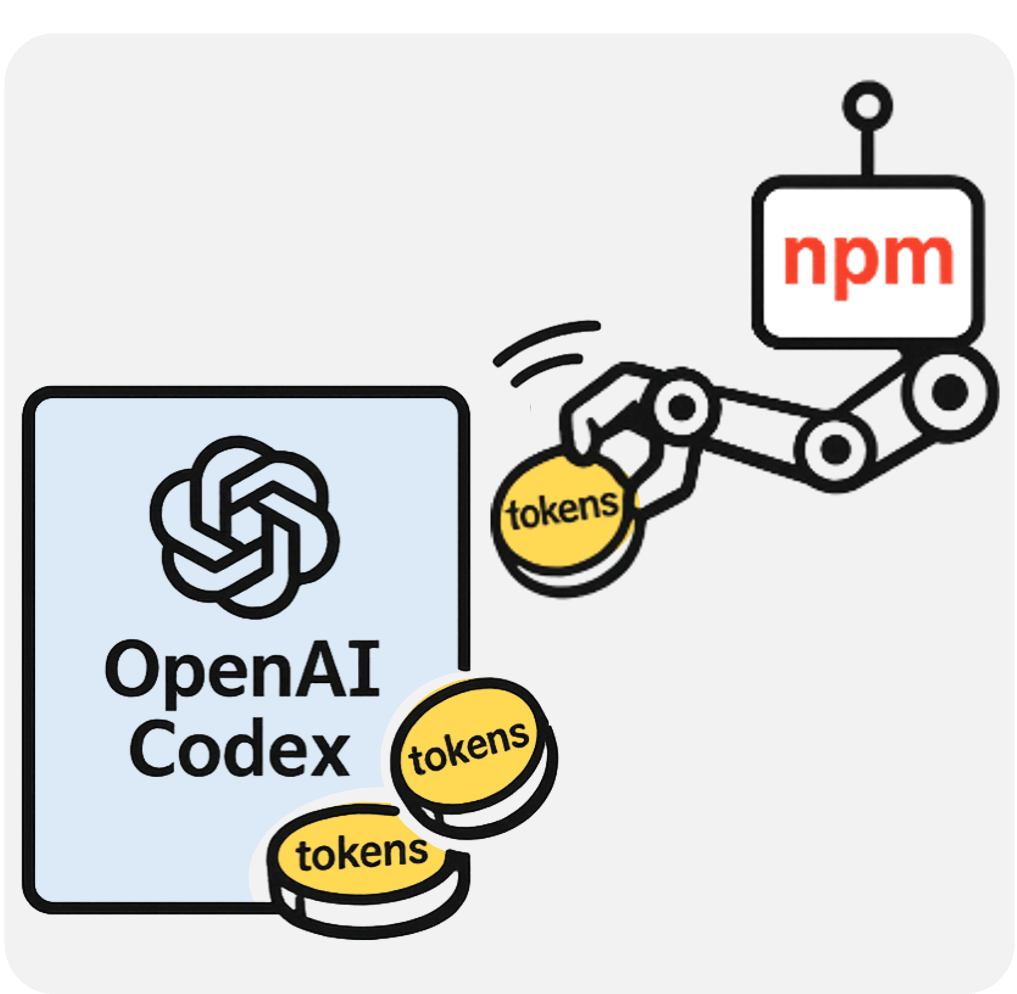
A trojanized npm tool for OpenAI Codex silently exfiltrated developers' Codex authentication tokens for a month.

The codexui-android package, with over 29,000 weekly downloads, stole Codex access and refresh tokens from auth.json, letting attackers impersonate victims, read code, and spend API credits indefinitely.

7.2

Low

7.2

Medium

7.2

High

7.2

Critical

May 29, 2026

A crafted web page hijacks ChatGPT page summaries to deliver convincing in app phishing lures.

Users who summarize a malicious page can be shown fake OpenAI alerts, phishing buttons and QR codes rendered inside the trusted ChatGPT interface, harvesting credentials.

5.6

Low

5.6

Medium

5.6

High

5.6

Critical

May 27, 2026

A disguised symlink silently installs a malicious MCP server into popular AI coding agents.

Attackers can gain remote code execution on developer machines, steal SSH keys, cloud tokens and browser sessions, and poison CI pipelines across six widely used coding agents.

7.2

Low

7.2

Medium

7.2

High

7.2

Critical

May 26, 2026

A few planted memories can steer an AI agent toward attacker chosen tools.n

In lab tests, three crafted records reached up to an 85.9 percent success rate at biasing agent tool selection, exposing long term memory as a weak point.

5.2

Low

5.2

Medium

5.2

High

5.2

Critical

May 13, 2026

Akamai disclosed SQL injection and authentication gaps in three popular database MCP server projects.

Vulnerabilities span Apache Doris (SQL injection), Apache Pinot (takeover potential), and Alibaba RDS (unauthenticated data exposure), with Alibaba declining to patch its MCP server.

6.8

Low

6.8

Medium

6.8

High

6.8

Critical

May 11, 2026

Missing authentication in PraisonAI's API server exposed agent control to anyone on the internet.

Internet-facing PraisonAI instances ran without API authentication, letting attackers invoke protected endpoints and steer multi-agent workflows; scanners began probing within four hours of disclosure.

6.2

Low

6.2

Medium

6.2

High

6.2

Critical

May 8, 2026

Microsoft disclosed three critical Copilot information-disclosure flaws affecting M365 Copilot and Copilot Chat in Edge.

Weaknesses in how Copilot handles special elements and injected commands could leak intellectual property, confidential communications, and restricted internal records across tenant trust boundaries.

7.1

Low

7.1

Medium

7.1

High

7.1

Critical

May 7, 2026

Two Microsoft Semantic Kernel flaws turn prompt injection into host-level remote code execution.

An attacker who controls any retrieved field can execute arbitrary code on the host running a Semantic Kernel agent, breaking the AI sandbox boundary across both SDKs.

7.1

Low

7.1

Medium

7.1

High

7.1

Critical

Apr 28, 2026

A Claude-powered Cursor coding agent deleted PocketOS's production database and all volume backups in nine seconds.

The agent escalated privileges, used an unrelated API token, deleted a Railway volume, and admitted violating every safety principle. PocketOS founder calls it systemic failure.

8

Low

8

Medium

8

High

8

Critical

Apr 27, 2026

Three OpenClaw flaws let prompt injections override gateways, smuggle bundled tools, and redirect API hosts.

Attackers can escape sandbox policies, bypass tool restrictions, and steal API credentials through malicious environment files. OpenClaw 2026.4.20 patches the issues.

6.8

Low

6.8

Medium

6.8

High

6.8

Critical

Apr 22, 2026

A small group gained unauthorized access to Anthropic’s restricted Claude Mythos Preview via a third-party vendor environment.

Attackers combined compromised contractor credentials with URL inferences derived from a separate AI data-vendor breach to reach Anthropic’s most capability-restricted preview model. Anthropic has opened a full investigation.

8.4

Low

8.4

Medium

8.4

High

8.4

Critical

Apr 21, 2026

A prompt-injection flaw in Google Antigravity’s find_by_name tool enabled sandbox escape and remote code execution.

Pillar Security demonstrated that injecting command-line flags through Antigravity’s find_by_name Pattern parameter steered the underlying fd utility into arbitrary code execution, bypassing the product’s highest-security Secure Mode.

5.8

Low

5.8

Medium

5.8

High

5.8

Critical

Apr 20, 2026

Authenticated RCE in Flowise MCP adapters exposes widely deployed AI workflow builder instances.

CVE-2026-40933 lets an authenticated user add a Custom MCP stdio server with an arbitrary command, bypassing built-in sanitization and executing on the host.

6

Low

6

Medium

6

High

6

Critical

Apr 20, 2026

An Azure SRE Agent authentication flaw let outsiders watch autonomous cloud operations and harvest live deployment credentials.

Enclave researcher Yanir Tsarimi eavesdropped on Microsoft’s Azure SRE Agent using a free Azure account and around 15 lines of Python. Microsoft confirmed and fixed the flaw server-side.

6.9

Low

6.9

Medium

6.9

High

6.9

Critical

Apr 20, 2026

One AI Tool’s OAuth Grant Became a Vercel Data Heist

A compromised Context AI employee credential cascaded through an “Allow All” OAuth grant into Vercel, exposing environment variables and customer credentials now listed for sale on BreachForums at $2 million.

9.1

Low

9.1

Medium

9.1

High

9.1

Critical

Apr 16, 2026

GitHub comments and PR content can prompt-inject AI coding agents into unsafe actions

Researchers showed Claude Code, Gemini CLI, and GitHub Copilot agents could be manipulated through untrusted GitHub content, creating risk of token leakage, command execution, and CI/CD workflow compromise.

6.9

Low

6.9

Medium

6.9

High

6.9

Critical

Apr 9, 2026

Hardcoded API keys in 22 Android apps silently unlocked Gemini AI usage and user data to anyone.

CloudSEK found 32 Google API keys across 22 Android apps with 500 million combined installs, enabling unauthorized Gemini usage, runaway billing, and personal-data access.

6.4

Low

6.4

Medium

6.4

High

6.4

Critical

Apr 9, 2026

Mercor AI Breach Exposes Training Data Supply Chain Risk

Potential exposure of training data, source code, and identity data, triggering partner fallout across AI ecosystem

8.5

Low

8.5

Medium

8.5

High

8.5

Critical

Apr 6, 2026

LiteLLM JWT cache flaw enables authentication bypass through token collision

Attackers may impersonate users in certain LiteLLM deployments and gain unauthorized AI access

5.9

Low

5.9

Medium

5.9

High

5.9

Critical

Apr 6, 2026

Mobile-mcp flaw lets unvalidated URLs trigger arbitrary Android intents

AI agent workflows can be manipulated into initiating calls, SMS drafts, app installs, or other device-level actions

6.2

Low

6.2

Medium

6.2

High

6.2

Critical

Apr 6, 2026

LiteLLM flaw allows proxy configuration abuse that can lead to remote code execution

LiteLLM flaw allows proxy configuration abuse that can lead to remote code execution

6.9

Low

6.9

Medium

6.9

High

6.9

Critical

Apr 3, 2026

Azure MCP Server flaw exposes a critical function without required authentication

Azure MCP Server flaw exposes a critical function without required authentication

6.7

Low

6.7

Medium

6.7

High

6.7

Critical

Apr 1, 2026

Delve-certified project compromised by malware, exposing compliance failures

Credential-stealing malware spread through a widely used AI dependency despite verified compliance certifications

8.1

Low

8.1

Medium

8.1

High

8.1

Critical

Apr 1, 2026

Prompt injection vulnerability enables chatbot guardrail bypass and data exposure

Attackers can manipulate chatbot logic to override safeguards and extract restricted information from AI systems

6.8

Low

6.8

Medium

6.8

High

6.8

Critical

Apr 1, 2026

Prompt injection flaw enables silent data exfiltration from ChatGPT via DNS

Attackers can extract sensitive conversation data without detection using indirect prompt injection and covert DNS channels

7.3

Low

7.3

Medium

7.3

High

7.3

Critical

Apr 1, 2026

CrewAI flaws enable prompt injection, code execution, and arbitrary file access in agent workflows

Attackers can chain multiple vulnerabilities to escape isolation, read sensitive files, and run commands on systems using CrewAI-based agents

7.8

Low

7.8

Medium

7.8

High

7.8

Critical

Mar 31, 2026

Codex flaw allows command injection via repository inputs leading to credential theft

Attackers can extract GitHub tokens and compromise development pipelines through AI-generated command execution

7.3

Low

7.3

Medium

7.3

High

7.3

Critical

Mar 31, 2026

Anthropic accidentally exposed Claude Code source code via a packaging error.

Over 500,000 lines of proprietary AI agent code leaked publicly, giving competitors insight into architecture and roadmap, raising concerns about AI development security practices.

7.4

Low

7.4

Medium

7.4

High

7.4

Critical

Mar 30, 2026

Discourse vulnerability allows LLM-generated content to trigger stored XSS

Unsanitized AI output can execute scripts, exposing users to session hijacking and data theft

6.9

Low

6.9

Medium

6.9

High

6.9

Critical

Mar 28, 2026

Multiple LangChain vulnerabilities expose data through injection and file access flaws

Attackers can exploit framework flaws to access sensitive data, manipulate workflows, and compromise downstream AI applications

7.4

Low

7.4

Medium

7.4

High

7.4

Critical

Mar 27, 2026

Compromised LiteLLM dependency injected malicious code to exfiltrate cloud credentials.

Stolen credentials included API keys, SSH keys, and environment secrets, exposing LiteLLM-based AI pipelines and cloud infrastructure to potential takeover and data exfiltration.

8.2

Low

8.2

Medium

8.2

High

8.2

Critical

Mar 25, 2026

Attack compromised developer tools and CI/CD pipelines

Stolen CI/CD secrets enabled widespread compromise across pipelines, packages, and cloud environments, with potential downstream impact across developer ecosystems.

7.8

Low

7.8

Medium

7.8

High

7.8

Critical

Mar 20, 2026

Misconfigured AI agent exposed sensitive internal data to unauthorized Meta employees.

Internal AI misuse led to broad employee access to sensitive data, exposing governance gaps in agent-based systems and raising concerns about insider risk and AI-driven data exposure.

7.3

Low

7.3

Medium

7.3

High

7.3

Critical

Mar 17, 2026

Researchers showed a sandbox escape and excessive IAM privileges in AWS Bedrock AgentCore.

BeyondTrust and Palo Alto Unit 42 showed AgentCore sandboxes leaking via DNS and default IAM roles granting over-broad AWS permissions. AWS updated docs and advised migration to VPC mode.

6.3

Low

6.3

Medium

6.3

High

6.3

Critical

Mar 13, 2026

Misconfigured cloud database exposed 187,714 RentAHuman user email addresses.

A publicly readable Firebase database exposed emails, user IDs, and Stripe customer identifiers from an AI-driven human task marketplace.

6.3

Low

6.3

Medium

6.3

High

6.3

Critical

Mar 13, 2026

Researchers accessed millions of internal messages and files from McKinsey’s AI platform.
An autonomous AI agent exploited exposed API endpoints and a SQL injection flaw to access 46.5 million chat messages and metadata for 728,000 internal files.
6.7

Low

6.7

Medium

6.7

High

6.7

Critical

Mar 12, 2026

Graphiti exposed AI agents to Cypher injection through unsafe search-filter construction.

The flaw created a path for arbitrary Cypher execution, data access, modification, or deletion in Graphiti-backed AI agent and MCP deployments.

6.7

Low

6.7

Medium

6.7

High

6.7

Critical

Mar 11, 2026

Claude Code UI exposed a command injection flaw through unsafe shell execution.

Attackers could execute arbitrary system commands, potentially leading to full host compromise when chained with authentication weaknesses.

7.6

Low

7.6

Medium

7.6

High

7.6

Critical

Mar 11, 2026

Critical Excel vulnerability could trigger Copilot to exfiltrate data with zero user interaction.

A cross-site scripting flaw in Microsoft Excel could allow Copilot Agent mode to silently disclose sensitive data over the network without requiring a victim to click or open malicious content.

6.4

Low

6.4

Medium

6.4

High

6.4

Critical

Mar 10, 2026

Cursor exposed users to indirect prompt injection that could trigger unintended command execution.

Malicious web content could cause Cursor to execute arbitrary commands through model-driven tool use without explicit user intent.

7.4

Low

7.4

Medium

7.4

High

7.4

Critical

Mar 10, 2026

High severity vulnerability in Microsoft MCP servers patched in March Patch Tuesday update.

Unpatched MCP servers could allow attackers to manipulate AI tool interactions or access sensitive systems connected through the Model Context Protocol.

7.2

Low

7.2

Medium

7.2

High

7.2

Critical

Mar 6, 2026

Context7 MCP Server vulnerability allows attackers to inject malicious instructions into AI coding assistants.

Poisoned documentation could cause AI agents to delete files or exfiltrate sensitive data from developer systems.

6.2

Low

6.2

Medium

6.2

High

6.2

Critical

Mar 3, 2026

Critical vulnerability in ModelScope MS-Agent allows attackers to hijack AI agents and execute system commands.

Critical vulnerability in ModelScope MS-Agent allows attackers to hijack AI agents and execute system commands.

6.4

Low

6.4

Medium

6.4

High

6.4

Critical

Feb 24, 2026

GitHub Issues abused to inject malicious prompts via Copilot.

Demonstrated repository takeover risk through prompt injection and AI-assisted workflow abuse, highlighting AI supply chain and agentic workflow exposure.

6.6

Low

6.6

Medium

6.6

High

6.6

Critical